Feeling like you’re constantly battling breakouts? Trust me, I get it. For years, I struggled to find that perfect balance, navigating countless products and conflicting advice that promised clear skin but often delivered more frustration.
It seems like every week there’s a new “miracle” ingredient or a celebrity-endorsed routine, making it tougher than ever to figure out what actually works for *your* unique skin.
But here’s the exciting part: the world of acne care is rapidly evolving, moving beyond simple topical creams to personalized solutions, innovative therapies, and a deep understanding of our skin’s complex needs, including the emerging focus on skin microbiome health and holistic approaches.
We’re talking about a whole new era where effective, long-lasting clarity is truly within reach. It’s a journey, not a sprint, and I’m thrilled to share what I’ve learned.
Let’s explore the most effective and cutting-edge acne care solutions out there today.Feeling like you’re constantly battling breakouts? Trust me, I get it.
For years, I struggled to find that perfect balance, navigating countless products and conflicting advice that promised clear skin but often delivered more frustration.
It seems like every week there’s a new “miracle” ingredient or a celebrity-endorsed routine, making it tougher than ever to figure out what actually works for *your* unique skin.
But here’s the exciting part: the world of acne care is rapidly evolving, moving beyond simple topical creams to personalized solutions, innovative therapies, and a deep understanding of our skin’s complex needs, including the emerging focus on skin microbiome health and holistic approaches.
We’re talking about a whole new era where effective, long-lasting clarity is truly within reach. From AI-powered skin diagnostics that offer customized routines based on real-time data to advanced laser technologies targeting sebaceous glands, the game has truly changed, offering solutions that were once unimaginable.
It’s a journey, not a sprint, and I’m thrilled to share what I’ve learned about these cutting-edge advancements. Let’s explore the most effective and innovative acne care solutions out there today.
Personalized Pathways to Clear Skin: The AI Revolution

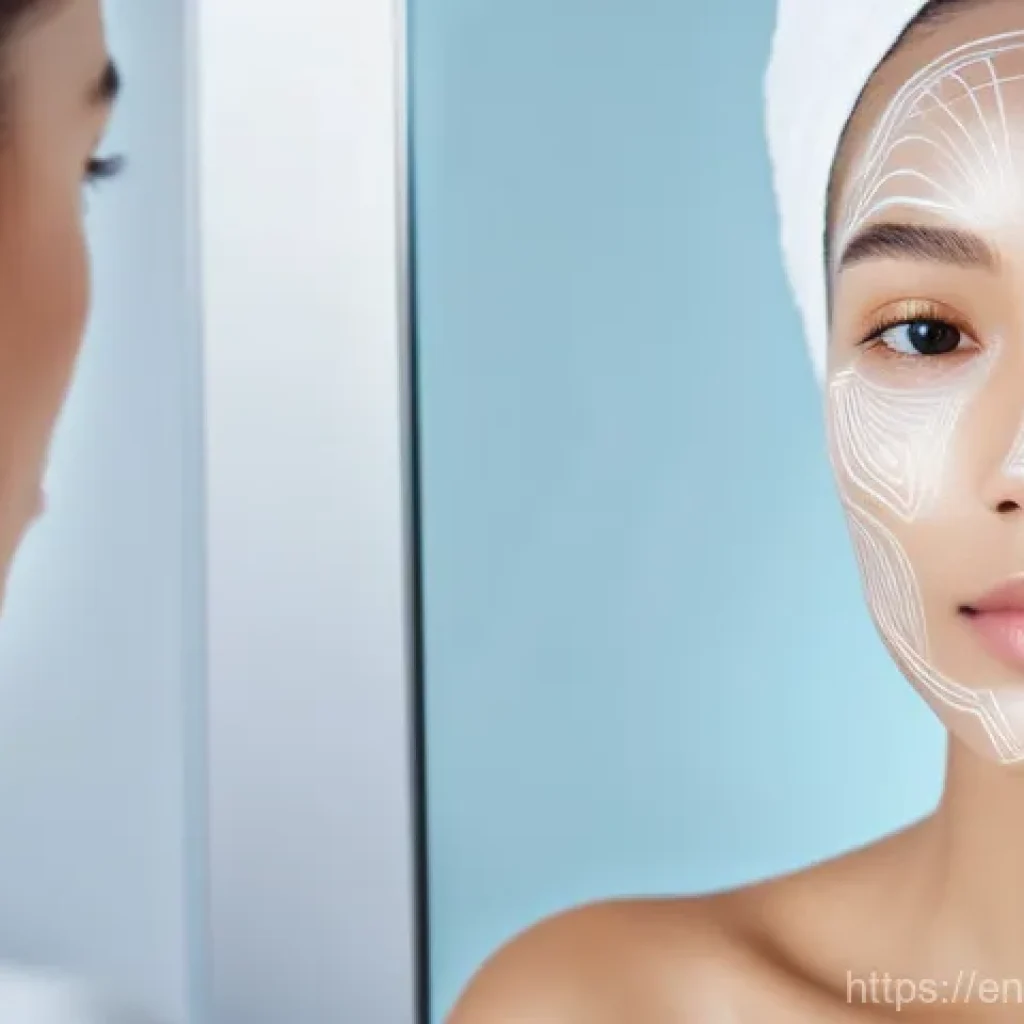
Okay, so let’s be real, navigating the seemingly endless world of acne treatments can feel like trying to solve a Rubik’s Cube blindfolded. For years, I just stumbled through, trying whatever new product or fad my friends swore by, only to end up with more irritation than actual results. That’s why when I first heard about AI-powered skin diagnostics, my ears perked right up. It’s truly a game-changer, moving us away from generic advice to deeply personalized regimens. Think about it: instead of a one-size-fits-all approach, these advanced tools analyze your unique skin concerns—from pore size and inflammation levels to potential triggers—using sophisticated algorithms. They can even track your progress over time, adapting recommendations as your skin evolves. I’ve personally seen how this precision can cut down on wasted money and, more importantly, wasted hope. It feels like having a personal dermatologist in your pocket, guiding you every step of the way to exactly what *your* skin needs, finally giving you that clear, healthy glow you’ve been chasing.
AI-Driven Diagnostics: Beyond the Surface
The beauty of AI in skincare isn’t just about scanning your face; it’s about deep data analysis. These systems use high-resolution imaging and machine learning to identify patterns and subtle issues that even a well-trained human eye might miss. They can pinpoint areas of congestion, assess the severity of breakouts, and even predict potential future flare-ups based on environmental factors or product interactions. What truly blew me away was how some platforms connect with wearable tech or environmental data, offering real-time adjustments to your routine based on humidity, pollution, or even your stress levels. This level of insight empowers you to make proactive choices, not just reactive ones, about your skin health. It’s like having a crystal ball for your complexion, allowing you to intercept problems before they even fully emerge. I mean, who wouldn’t want to finally feel truly in control of their skin?
Tailored Treatment Plans: Your Unique Code
Once the AI has crunched all that data, it doesn’t just spit out a generic list of ingredients. Instead, it formulates a bespoke treatment plan, often recommending specific product combinations, dietary adjustments, or lifestyle changes that are scientifically proven to work for your particular skin type and acne triggers. From recommending the perfect salicylic acid concentration for your clogged pores to suggesting a non-comedogenic moisturizer that won’t exacerbate your oily T-zone, every piece of advice is meticulously tailored. I’ve found this approach incredibly empowering because it removes so much of the guesswork. No more buying expensive products only to realize they’re completely wrong for you! It saves time, money, and a whole lot of frustration. This isn’t just about treating acne; it’s about nurturing your skin back to its optimal health, giving it exactly what it needs to thrive.
Unlocking the Power of Your Skin Microbiome
You know, for the longest time, “bacteria” was just a scary word associated with acne. We were told to just blast it all away with harsh cleansers and strong antibiotics. But oh, how times have changed! The more I’ve delved into cutting-edge skincare, the more I’ve realized the incredible importance of our skin’s microbiome. This isn’t just about getting rid of the “bad” bacteria; it’s about fostering a thriving community of beneficial microorganisms on your skin that actually protect against breakouts, inflammation, and sensitivity. When this delicate ecosystem is out of whack, that’s when acne-causing bacteria like P. acnes (now known as C. acnes) can really take hold. I’ve started incorporating more microbiome-friendly products into my routine, and let me tell you, the difference in my skin’s resilience and clarity has been astounding. It’s like tending a garden; you want the good plants to flourish, not just rip out the weeds indiscriminately.
Probiotics and Prebiotics for Skin Health
So, how do we nurture this invisible army of skin protectors? Enter probiotics and prebiotics in skincare. Probiotics are live beneficial bacteria that, when applied topically, can help rebalance your skin’s microbiome, creating a less hospitable environment for acne-causing microbes. I’ve personally experimented with a few probiotic serums, and what I noticed was a significant reduction in redness and irritation, almost as if my skin was less reactive to daily stressors. Prebiotics, on the other hand, are like food for these good bacteria, helping them to multiply and thrive. They support the existing beneficial flora on your skin, strengthening its natural defenses. Using products that contain these ingredients can lead to a calmer, clearer complexion, and a stronger skin barrier overall. It’s a gentle yet powerful approach that respects your skin’s natural biology, rather than fighting against it.
The Gut-Skin Connection: More Than Skin Deep
This whole microbiome discussion doesn’t stop at the surface of your skin; it goes much deeper, right into your gut! I used to think my digestive health and my breakouts were two totally separate issues, but through my own journey and a lot of research, I’ve learned they’re intrinsically linked. An imbalanced gut microbiome can lead to systemic inflammation, which can manifest as acne on your skin. That’s why a holistic approach, which includes a diet rich in fermented foods, fiber, and diverse nutrients, can be so profoundly impactful. I’ve found that when I prioritize my gut health – eating plenty of fruits, vegetables, and supplementing with a good probiotic – my skin almost magically becomes less prone to flare-ups. It’s not an overnight fix, but it’s a powerful, sustainable strategy for long-term clarity that truly works from the inside out.
Beyond the Surface: Advanced In-Office Treatments
Sometimes, despite our best efforts with topicals and diet, acne just needs a bit more oomph to get under control. And honestly, there’s no shame in that! I’ve been there, staring in the mirror, feeling like I’d tried absolutely everything. That’s when exploring professional, in-office treatments becomes a really smart move. These aren’t your grandmother’s facials; we’re talking about sophisticated technologies that can target acne at its source, reduce scarring, and dramatically accelerate healing. When I decided to try a few of these, I was truly amazed at how quickly I saw results compared to years of struggling with over-the-counter options. The key is finding a board-certified dermatologist who can assess your specific type of acne and recommend the most effective treatment for you. It’s an investment, absolutely, but for many, it’s the turning point to finally achieving the clear skin they’ve dreamed of.
Revolutionary Laser and Light Therapies
Laser and light therapies have truly come into their own for acne treatment, and for good reason. They offer precision and power that topical creams just can’t match. For instance, blue light therapy can effectively kill acne-causing bacteria on the skin’s surface, significantly reducing breakouts. Then there are treatments like broadband light (BBL) or intense pulsed light (IPL), which can not only target bacteria but also reduce redness and inflammation, making a huge difference in the overall appearance of your skin. Some of the newer fractional lasers are even designed to target sebaceous glands, reducing oil production and improving skin texture. I remember trying a series of these treatments, and it was incredible to see my persistent inflammatory acne finally start to calm down. It truly felt like I was giving my skin a much-needed reset.
Chemical Peels and Micro-Needling: Refine and Renew
Beyond light therapies, treatments like professional chemical peels and micro-needling offer fantastic ways to refine skin texture, reduce post-inflammatory hyperpigmentation, and even improve mild acne scarring. A dermatologist-administered chemical peel uses a stronger concentration of acids than anything you can buy over the counter, effectively exfoliating the skin, clearing clogged pores, and promoting cell turnover. I’ve had a few peels, and while there’s a bit of downtime, the fresh, smoother skin underneath is absolutely worth it. Micro-needling, on the other hand, creates tiny, controlled injuries in the skin, stimulating collagen production and improving overall skin tone and texture. It’s particularly effective for acne scars, helping to resurface the skin and make those lingering marks less noticeable. When done correctly by a professional, these treatments can accelerate your journey to clear, radiant skin.
The Holistic Harmony Approach to Acne Management
You know, for so long, the conversation around acne was strictly about what you put *on* your skin. But over the years, I’ve come to a profound realization: clear skin isn’t just about creams and cleansers; it’s a reflection of your overall well-being. This is where the holistic approach truly shines. It acknowledges that acne isn’t just a surface-level problem but can be influenced by everything from your stress levels and sleep patterns to your diet and hormones. When I started looking at my body as an interconnected system, rather than just focusing on my breakouts in isolation, that’s when I really began to see lasting changes. It’s about finding harmony within yourself, creating an environment where your skin can truly thrive, and honestly, it’s been one of the most transformative parts of my journey to clear skin.
Stress Management: The Unsung Hero of Clear Skin
Raise your hand if you’ve ever noticed a breakout pop up right before a big presentation or a stressful deadline? *Raises both hands.* It’s no coincidence! Stress significantly impacts our hormones, leading to an increase in cortisol, which can in turn trigger excess oil production and inflammation—a perfect recipe for acne. That’s why incorporating stress-reducing practices into your daily life is absolutely critical for managing breakouts. For me, that means things like mindful meditation, a brisk walk outside, or even just carving out 15 minutes to read a book. When I prioritize these activities, not only do I feel better mentally, but my skin genuinely looks calmer and clearer. It’s not about eliminating stress entirely (because let’s be real, that’s impossible!), but about developing healthy coping mechanisms that protect both your mind and your skin.
Sleep and Lifestyle: Nurturing from Within
Sleep might just be the most underrated beauty secret out there, especially for acne sufferers. Our bodies do so much restorative work while we’re sleeping, including repairing skin cells and balancing hormones. When we skimp on sleep, it throws everything off, leading to increased inflammation and a higher likelihood of breakouts. I used to think I could power through on just a few hours, but my skin (and my mood!) quickly told me otherwise. Prioritizing 7-9 hours of quality sleep each night has been a non-negotiable for me, and the difference is palpable. Beyond sleep, simple lifestyle choices like regular exercise (which boosts circulation and detoxification) and avoiding excessive sun exposure (which can exacerbate inflammation and pigmentation) play a huge role. It’s all about creating habits that support your skin’s natural healing processes.
Navigating the World of Next-Gen Topicals
Alright, let’s talk topicals. If you’re like me, you’ve probably got a graveyard of half-used tubes and bottles under your bathroom sink, each promising miracles but delivering… well, less than stellar results. But don’t lose hope! The world of topical acne treatments is constantly evolving, bringing us more sophisticated, gentler, and incredibly effective ingredients. We’re moving beyond just basic salicylic acid and benzoyl peroxide (though those are still fantastic staples!) into a realm of innovative formulations that work synergistically with your skin. I’ve personally seen how these newer generation products can make a profound difference, addressing not just active breakouts but also preventing future ones and improving overall skin health. It’s about choosing wisely and understanding what each ingredient truly brings to the table for your unique skin needs.
New-Age Acids and Retinoids: Precision Powerhouses
While salicylic acid remains a superstar for oil control and pore clearing, other acids are gaining serious traction. Azelaic acid, for example, is a personal favorite of mine. It’s fantastic for reducing inflammation, killing acne bacteria, and even fading post-inflammatory hyperpigmentation, all with a gentler touch than some other actives. Then there are the retinoids – not just your traditional tretinoin, but newer formulations like adapalene (now widely available over-the-counter) that offer powerful cell turnover benefits with less irritation. I remember when retinoids felt like a harsh, scary step, but with careful introduction and consistent use, they’ve been instrumental in keeping my skin consistently clear and smooth. It’s about finding the right strength and formulation for your skin and being patient; these ingredients work magic over time.
Soothing & Barrier-Repairing Ingredients: The Unsung Heroes
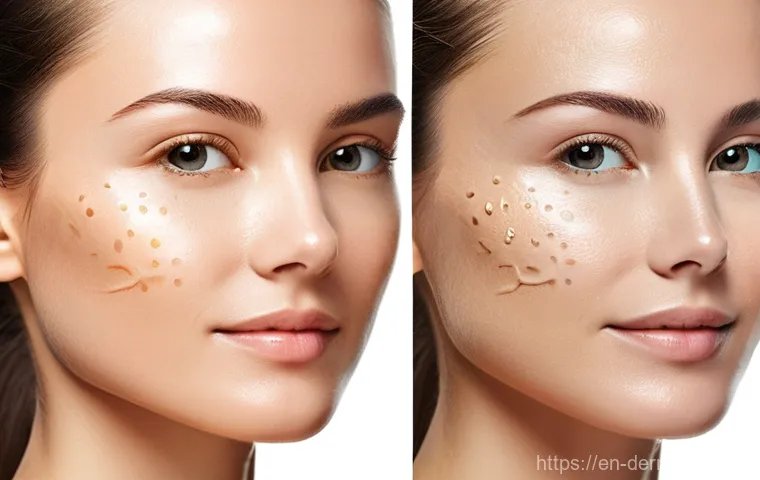
In our quest for clear skin, it’s easy to forget that aggressive treatments can sometimes strip our skin’s natural barrier, leading to more irritation and even more breakouts. That’s why incorporating soothing and barrier-repairing ingredients is absolutely non-negotiable in my routine. Ingredients like ceramides, hyaluronic acid, niacinamide, and panthenol are fantastic for calming inflammation, strengthening the skin’s protective barrier, and keeping it hydrated without clogging pores. I’ve found that when my skin barrier is healthy and happy, it’s much more resilient to breakouts and less reactive to active ingredients. It’s a delicate balance, treating acne while simultaneously nurturing your skin, but these ingredients are the secret sauce to achieving both a clear *and* healthy complexion. Don’t underestimate the power of a happy barrier!
The Link Between Diet, Lifestyle, and Lasting Clarity
Okay, let’s dive into something that, for years, dermatologists often dismissed: the undeniable connection between what we put into our bodies and what shows up on our skin. I used to think chocolate and pizza caused breakouts, but then research started digging deeper, and what they found was far more nuanced and, frankly, fascinating. It’s not about demonizing specific foods, but about understanding how certain dietary patterns and lifestyle choices can trigger systemic inflammation and hormonal imbalances that manifest as acne. When I truly grasped this, it felt like unlocking a whole new level of control over my skin. It’s about empowering yourself with knowledge and making informed choices that support not just your skin, but your overall health and well-being. Trust me, paying attention to this aspect can be a total game-changer.
Understanding Inflammatory Foods and Hormonal Triggers
It turns out, the typical Western diet, often high in refined sugars, processed foods, and unhealthy fats, can contribute significantly to inflammation in the body. This inflammation isn’t just bad for your general health; it can directly exacerbate acne by triggering excess oil production and pore clogging. Similarly, certain foods, particularly those with a high glycemic index (like white bread, sugary drinks), can cause insulin spikes, which in turn can lead to hormonal fluctuations that fuel breakouts. I’ve personally noticed a significant improvement in my skin when I focus on a whole-food, low-glycemic diet, rich in vegetables, lean proteins, and healthy fats. It’s not about strict deprivation, but about making conscious choices that calm inflammation and keep your hormones in a happier balance. It’s amazing what a few dietary tweaks can do for your complexion.
Hydration and Detoxification: Flushing Out Trouble
Beyond specific foods, two simple yet profoundly effective lifestyle factors for clear skin are adequate hydration and supporting your body’s natural detoxification pathways. Drinking plenty of water throughout the day is absolutely essential. It helps your body flush out toxins, keeps your skin cells plump and healthy, and supports overall organ function, including your kidneys and liver, which play a crucial role in clearing waste products. When you’re well-hydrated, your skin looks more radiant and is better equipped to heal. Furthermore, incorporating foods that support liver health, like leafy greens, cruciferous vegetables, and berries, can indirectly help manage acne by ensuring your body efficiently processes and eliminates hormones and toxins that could otherwise contribute to breakouts. It’s about giving your body the tools it needs to keep everything running smoothly, including your skin.
Advanced Techniques for Tackling Stubborn Scars and Marks
So, you’ve battled the breakouts, and you’re finally seeing clearer skin – congratulations! That’s a huge win. But then you look in the mirror, and there they are: those stubborn red marks, brown spots, or even pitted scars that serve as unwelcome reminders of past battles. Trust me, I get it. It can be incredibly frustrating to feel like you’re constantly fighting a ghost. For years, I thought I was just stuck with them, but I’ve since learned that the advancements in treating post-acne marks and scars are truly incredible. We’re talking about sophisticated treatments that can dramatically improve texture and tone, helping your skin finally achieve that smooth, even appearance. It’s about targeting the residual damage with precision, encouraging your skin to renew itself, and finally moving on from the past.
Targeting Post-Inflammatory Hyperpigmentation (PIH)
Those annoying red and brown spots that linger long after a breakout has healed? That’s post-inflammatory hyperpigmentation (PIH), and it’s a super common concern. Luckily, there are fantastic ingredients and treatments that can effectively fade these marks. Topicals containing ingredients like Vitamin C, niacinamide, azelaic acid, and alpha arbutin are absolute superstars for brightening and evening out skin tone. I’ve had great success incorporating a potent Vitamin C serum into my morning routine; it truly helps to accelerate the fading process. For more stubborn PIH, in-office treatments like gentle chemical peels, IPL (Intense Pulsed Light) therapy, or even certain lasers can make a significant difference, working to break up the pigment and reveal clearer skin underneath. It’s about consistent effort and choosing the right tools for the job.
Resurfacing Acne Scars: From Pitted to Smooth
Acne scars, particularly the textured, pitted kind, can be more challenging to treat, but definitely not impossible! The goal here is to stimulate collagen production and encourage skin remodeling to fill in those depressions and smooth out the surface. One of the most effective treatments I’ve explored is fractional laser resurfacing. These lasers create microscopic columns of injury in the skin, prompting your body to produce new, healthy collagen, which gradually plumps up the scars. Micro-needling, sometimes combined with PRP (platelet-rich plasma), is another powerful option, using tiny needles to create controlled trauma and stimulate healing. For very deep, isolated scars, dermatologists can also employ techniques like subcision or fillers. It’s a journey that often requires multiple sessions, but the improvements in texture and overall confidence are absolutely worth the dedication.
| Acne Concern | Topical Solutions | Advanced In-Office Treatments | Holistic/Lifestyle Tips |
|---|---|---|---|
| Active Breakouts/Inflammation | Salicylic Acid, Benzoyl Peroxide, Adapalene, Azelaic Acid, Niacinamide, Probiotics | Blue/Red Light Therapy, Chemical Peels, Cortisone Injections | Low Glycemic Diet, Stress Management, Adequate Sleep |
| Excess Oiliness | Salicylic Acid, Retinoids, Niacinamide | Fractional Lasers (targeting sebaceous glands) | Hydration, Spearmint Tea, Zinc Supplements |
| Post-Inflammatory Hyperpigmentation (PIH) | Vitamin C, Azelaic Acid, Niacinamide, Alpha Arbutin, Retinoids | IPL/BBL, Chemical Peels, Pico Lasers | Sun Protection, Antioxidant-Rich Diet |
| Acne Scars (Pitted/Textured) | Stronger Retinoids (prescription), AHAs/BHAs (for mild texture) | Fractional Laser Resurfacing, Micro-Needling, Subcision, Fillers | Collagen-Boosting Foods (e.g., bone broth, Vitamin C), Adequate Protein |
Embracing Your Skin’s Unique Journey with Mindful Care
If there’s one thing I’ve learned on my journey to clearer skin, it’s that there’s no magic bullet. This isn’t a quick fix, and frankly, anyone promising one is probably selling you something that won’t deliver. Instead, it’s about consistency, patience, and deeply listening to what *your* skin is telling you. It’s about combining the incredible advancements in science with a mindful approach to your overall well-being. What works for one person might not work for another, and that’s perfectly okay. The goal isn’t to achieve unattainable perfection, but to foster healthy, resilient skin that feels comfortable and confident. This journey is deeply personal, full of trial and error, but ultimately incredibly rewarding when you finally find that perfect balance. It’s about building a sustainable routine that truly supports your skin, day in and day out.
Consistency and Patience: The True Game-Changers
I cannot emphasize this enough: consistency is king when it comes to acne care. It’s so tempting to jump from product to product every few days, especially when you’re not seeing immediate results. I’ve been there, thinking a new cream would suddenly erase years of breakouts overnight. But the truth is, most effective acne treatments, especially those targeting cell turnover or inflammation, need weeks, if not months, to show their full potential. Sticking to a routine, even when you feel like giving up, is paramount. Patience is equally vital. There will be good skin days and not-so-good skin days, and that’s just part of the process. It’s about riding the waves, trusting your routine, and remembering that progress isn’t always linear. It’s a marathon, not a sprint, and your skin will thank you for your unwavering dedication.
Seeking Professional Guidance: When to Call in the Experts
While there’s a ton you can do on your own, sometimes you just need to call in the cavalry. If you’ve been consistently following an over-the-counter routine for several months and aren’t seeing the results you want, or if your acne is severe, painful, or leaving scars, it’s absolutely time to see a board-certified dermatologist. They have access to prescription-strength treatments, in-office procedures, and a wealth of knowledge that can make a profound difference. I know for me, reaching out to a dermatologist was one of the best decisions I made; they helped me navigate options I never even knew existed and provided clarity and guidance when I felt completely overwhelmed. Don’t feel like you have to go it alone. A good dermatologist can be your most valuable ally in achieving and maintaining clear, healthy skin.
글을 마치며
Okay, so here we are at the end of what I hope has been a truly insightful journey into understanding and tackling acne. It’s been a winding road for me, full of moments of frustration and breakthroughs, but ultimately, it’s taught me that clear skin isn’t just about finding one magic product. It’s about understanding your unique body, embracing new scientific advancements, and committing to a holistic approach that nurtures you from the inside out. Remember, every skin journey is personal, and progress might feel slow sometimes, but with persistence, kindness to yourself, and the right knowledge, you absolutely *can* achieve the healthy, radiant complexion you’ve been dreaming of. Don’t give up – your best skin is still ahead!
알아두면 쓸모 있는 정보
1. Prioritize your gut health: A balanced gut microbiome often leads to a calmer, clearer complexion. Consider incorporating fermented foods and a good probiotic into your daily routine.
2. Be a detective with your diet: Pay attention to how high-glycemic foods, excessive dairy, or refined sugars might be impacting your breakouts. Small dietary tweaks can make a big difference.
3. Hydration is key: Drinking plenty of water helps flush toxins, keeps your skin cells healthy, and aids in overall skin function. Don’t underestimate its power!
4. Consistency over intensity: Stick with your chosen skincare routine for at least 8-12 weeks before deciding if a product truly works. Patience is your skin’s best friend.
5. Embrace professional help: If over-the-counter options aren’t cutting it, consult a board-certified dermatologist. They can offer advanced treatments and personalized prescription solutions tailored to your needs.
중요 사항 정리
Wrapping everything up, remember that achieving clear skin is a multi-faceted journey that combines cutting-edge science with mindful self-care. We’ve explored how AI is revolutionizing personalized diagnostics, moving beyond generic advice to truly understand your skin’s unique needs. We’ve also highlighted the critical role of your skin and gut microbiomes, urging a gentle, nurturing approach rather than aggressive warfare against bacteria. Don’t forget the power of professional treatments like lasers and peels for those stubborn concerns, and the undeniable impact of a holistic lifestyle – from stress management and quality sleep to a nutrient-rich, anti-inflammatory diet. Ultimately, consistency and patience are your secret weapons, and knowing when to seek expert guidance from a dermatologist is a sign of smart, empowered self-care. Your path to radiant skin is unique, so listen to your body, stay informed, and celebrate every step of your progress.
Frequently Asked Questions (FAQ) 📖
Q: I feel like I’ve tried every product out there for my acne, but nothing seems to stick. How can I really figure out what works for my unique skin?
A: Oh, I completely get that feeling! It’s like being lost in a huge maze of cleansers, serums, and creams, isn’t it? For so long, I was just blindly buying whatever product had the coolest packaging or the most celebrity endorsements, and honestly, it mostly led to more frustration and a lighter wallet.
What I’ve learned on my own journey, and it’s been such a breakthrough, is that true skin clarity starts with understanding your skin, not just a generic “acne-prone” label.
The most impactful shift for me was moving from a trial-and-error approach to one that’s truly personalized. This often involves paying closer attention to how your skin reacts to specific ingredients.
Does salicylic acid leave you too dry? Does benzoyl peroxide cause redness? A super helpful trick I picked up is to keep a simple “skin diary” for a few weeks.
Just jot down what you use, how your skin feels, and any changes you notice. It really helps you spot patterns you might otherwise miss. Beyond that, the coolest innovation I’ve seen emerging are AI-powered skin diagnostics.
Imagine taking a selfie, and an app analyzes your skin at a deep level—identifying things like pore size, inflammation, and oil production—then gives you a routine tailored specifically for you.
Some derms are even incorporating genetic testing to see how your skin might respond to certain treatments. This isn’t just science fiction anymore; it’s becoming genuinely accessible and cuts through all the marketing hype, giving you targeted solutions that actually make a difference.
It’s about getting advice that’s as unique as you are.
Q: You mentioned some cutting-edge solutions like
A: I diagnostics and advanced laser therapies. What exactly are these, and are they really effective for stubborn acne? A2: This is where the future of acne care gets seriously exciting, especially for those of us who’ve felt like we’ve exhausted all traditional options!
When I first heard about AI in skincare, I thought, “Is this just a gimmick?” But after diving in, these AI-powered skin diagnostic tools are pretty mind-blowing.
They can analyze your skin with incredible precision, often down to a microscopic level, assessing everything from your specific acne type (like comedonal, inflammatory, or cystic) to potential triggers and even predicting future breakouts.
This information is then used to create a truly customized treatment plan, sometimes even formulating bespoke serums or recommending products with ingredients specifically chosen for your unique skin profile.
It takes all the guesswork out of building an effective routine! Then there are advanced laser and light therapies – and trust me, these aren’t your grandma’s old salon treatments!
We’re seeing innovations like non-ablative lasers that penetrate the skin to reduce inflammation, kill acne-causing bacteria, and decrease oil production without damaging the surface.
There are even fractional lasers that create micro-injuries to stimulate collagen and improve texture, which is fantastic for lingering acne scars. I’ve heard incredible stories from people who’ve found lasting relief with these after years of struggling.
These methods are designed to tackle acne at its root cause, offering a much more sustainable path to clear skin. It’s definitely something worth discussing with a dermatologist if you’re looking for options beyond topical creams and over-the-counter solutions.
Q: Beyond just products and treatments, what does a “holistic approach” to acne care actually involve, and how does it help achieve long-lasting clear skin?
A: Oh, this is a question I truly wish I had understood years ago! For the longest time, my entire focus was on what I put on my skin, completely missing the bigger picture.
A holistic approach is about recognizing that your skin isn’t an isolated entity; it’s intricately connected to your overall health – your lifestyle, diet, stress levels, and even your gut health.
I started seeing a profound difference when I began paying attention to what I was eating (less sugar, more whole, anti-inflammatory foods), making sure I was properly hydrated, and actively managing my stress, which I personally found to be a huge trigger for my breakouts.
The emerging focus on the skin microbiome is a perfect example of this holistic view. It’s all about nurturing the beneficial bacteria on your skin and within your gut, creating a healthier internal and external environment that can genuinely reduce inflammation and prevent breakouts.
This isn’t about making drastic changes overnight, but rather cultivating small, consistent habits that support your skin from the inside out. Things like prioritizing quality sleep, incorporating probiotic-rich foods into your diet, and finding healthy ways to de-stress, like mindfulness or exercise, can have a truly transformative impact.
It’s been a journey of self-discovery for me, and honestly, it feels much more empowering than just chasing the next “miracle” cream. It’s about building a foundation for long-term skin health and well-being, not just a temporary fix for breakouts.