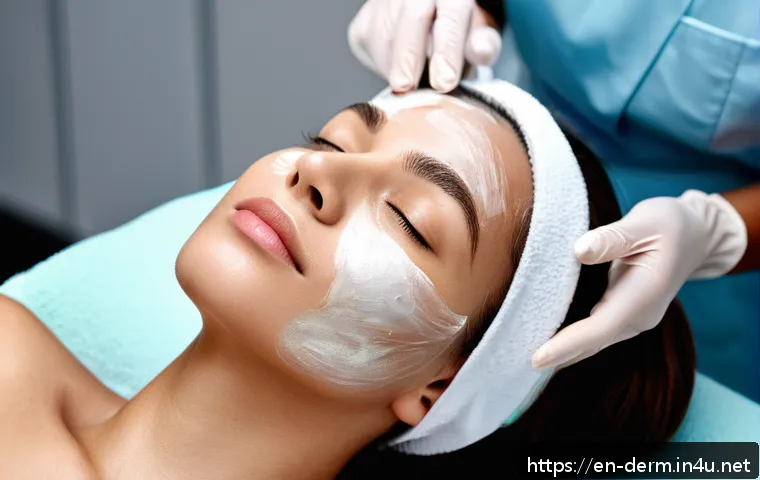
Dealing with seborrheic dermatitis can be a real pain, can’t it? That itchy, flaky skin on your scalp or face is not only annoying but can also take a toll on your confidence.
I remember when I first started noticing the symptoms; I felt like I was constantly battling a never-ending cycle of redness and irritation. From what I’ve gathered, many others are experiencing similar struggles.
With increasing pollution and stress levels, skin conditions like seborrheic dermatitis seem to be on the rise. Experts predict a growing market for effective and gentle treatments in the coming years.
Let’s explore this condition in detail below.
Dealing with seborrheic dermatitis can be a real pain, can’t it? That itchy, flaky skin on your scalp or face is not only annoying but can also take a toll on your confidence.
I remember when I first started noticing the symptoms; I felt like I was constantly battling a never-ending cycle of redness and irritation. From what I’ve gathered, many others are experiencing similar struggles.
With increasing pollution and stress levels, skin conditions like seborrheic dermatitis seem to be on the rise. Experts predict a growing market for effective and gentle treatments in the coming years.
Let’s explore this condition in detail below.
Unlocking Relief: Identifying and Avoiding Triggers
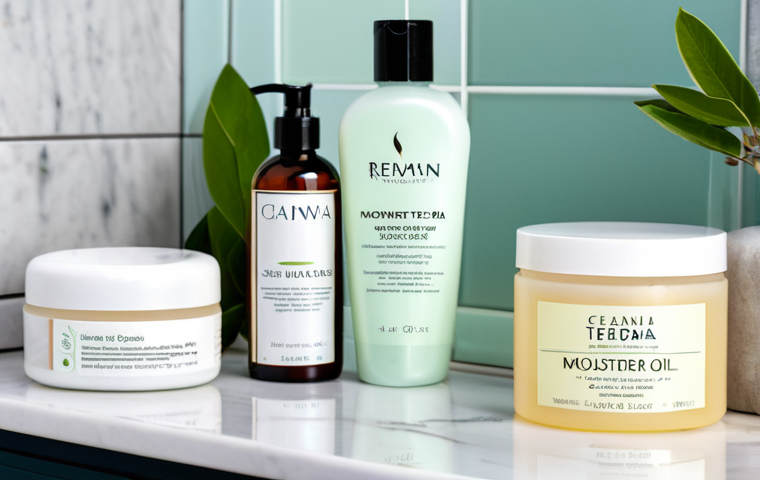
Seborrheic dermatitis, that persistent skin issue, can be infuriating. What’s worse is that it often seems to flare up for no apparent reason. However, the truth is that certain triggers can exacerbate the condition, leading to those dreaded red, itchy patches.
One of the first steps I took was to start paying close attention to my environment and lifestyle. It turns out that stress was a major culprit for me.
Whenever I had a particularly stressful week at work, my seborrheic dermatitis would rear its ugly head. Identifying these triggers is crucial, and it often requires a bit of detective work.
The Stress Connection: How Anxiety Fuels Flare-Ups
Stress is a notorious trigger for many skin conditions, and seborrheic dermatitis is no exception. When you’re stressed, your body produces more cortisol, a hormone that can increase oil production in the skin.
This excess oil creates a breeding ground for the Malassezia yeast, which is believed to play a significant role in seborrheic dermatitis. Managing stress through activities like yoga, meditation, or even just taking a walk in nature can make a huge difference.
I personally found that incorporating a daily meditation practice helped me reduce my stress levels and, consequently, my flare-ups. It wasn’t an overnight fix, but over time, I noticed a significant improvement.
Environmental Factors: Weather and Irritants
The environment around you can also play a significant role in triggering seborrheic dermatitis. Cold, dry weather can strip your skin of its natural moisture, making it more susceptible to irritation.
On the other hand, hot, humid weather can increase sweat and oil production, leading to clogged pores and yeast overgrowth. Additionally, certain irritants like harsh soaps, detergents, and fragrances can worsen the condition.
I had to switch to fragrance-free laundry detergent and gentle, hypoallergenic skincare products to minimize irritation. Paying attention to the weather and adjusting your skincare routine accordingly can also help.
For example, using a humidifier during the winter months can combat dryness, while using oil-absorbing products during the summer can help control excess oil.
Dietary Influences: What You Eat Matters
While diet may not be a direct cause of seborrheic dermatitis, certain foods can certainly exacerbate the condition. Inflammatory foods like processed sugars, refined carbohydrates, and unhealthy fats can trigger inflammation throughout the body, including the skin.
Some people also find that certain food sensitivities, such as dairy or gluten, can worsen their symptoms. Keeping a food journal can help you identify any potential dietary triggers.
I discovered that limiting my intake of sugary snacks and increasing my consumption of anti-inflammatory foods like fruits, vegetables, and omega-3 fatty acids made a noticeable difference in my skin’s condition.
Gentle Cleansing: The Cornerstone of Skincare
When dealing with seborrheic dermatitis, the way you cleanse your skin is paramount. Harsh soaps and abrasive scrubs can strip your skin of its natural oils, leading to dryness and irritation, which only exacerbates the condition.
The goal is to find a gentle cleanser that effectively removes dirt and oil without disrupting your skin’s delicate balance. I learned this the hard way after using a popular exfoliating scrub that left my skin red and inflamed for days.
Now, I swear by gentle, pH-balanced cleansers that are specifically formulated for sensitive skin.
Choosing the Right Cleanser: Ingredients to Look For
When selecting a cleanser for seborrheic dermatitis, pay close attention to the ingredients list. Look for products that are free of harsh sulfates, fragrances, and dyes, as these can irritate sensitive skin.
Some beneficial ingredients to look for include:* Salicylic Acid: Helps to gently exfoliate the skin and unclog pores. * Zinc Pyrithione: An antifungal agent that helps to control the growth of Malassezia yeast.
* Tea Tree Oil: A natural antiseptic and anti-inflammatory agent. * Glycerin: A humectant that helps to draw moisture into the skin.
The Cleansing Technique: Less is More
The way you cleanse your skin is just as important as the products you use. Avoid using hot water, as it can strip your skin of its natural oils. Instead, opt for lukewarm water and gently massage the cleanser onto your skin using your fingertips.
Avoid scrubbing or rubbing too vigorously, as this can irritate the skin. Rinse thoroughly and pat your skin dry with a soft towel. I found that cleansing my face only once a day, usually in the evening, helped to prevent over-drying.
In the morning, I simply splash my face with lukewarm water.
Post-Cleansing Care: Hydration is Key
After cleansing, it’s essential to replenish your skin’s moisture barrier. Apply a lightweight, fragrance-free moisturizer while your skin is still slightly damp.
This will help to lock in moisture and prevent dryness. Look for moisturizers that contain ingredients like hyaluronic acid, ceramides, and squalane, as these can help to repair and strengthen the skin’s barrier function.
I personally love using a hyaluronic acid serum followed by a ceramide-rich moisturizer. This combination keeps my skin hydrated and protected without feeling heavy or greasy.
The Power of Antifungal Treatments
Antifungal treatments are a cornerstone in managing seborrheic dermatitis because they target the Malassezia yeast, which is believed to play a significant role in the condition.
These treatments come in various forms, including shampoos, creams, and lotions, and they work by inhibiting the growth of the yeast, thereby reducing inflammation and flakiness.
I remember the first time I tried an antifungal shampoo; I was amazed at how quickly it calmed down the itching and redness on my scalp. It felt like a huge weight had been lifted off my shoulders.
Prescription vs. Over-the-Counter Options
When it comes to antifungal treatments, you have both prescription and over-the-counter (OTC) options available. Prescription-strength antifungals, such as ketoconazole and ciclopirox, are typically more potent and may be necessary for severe cases of seborrheic dermatitis.
However, they also come with a higher risk of side effects, such as skin irritation and dryness. OTC antifungals, such as zinc pyrithione and selenium sulfide, are generally milder and can be a good option for mild to moderate cases.
I started with an OTC zinc pyrithione shampoo and found it to be quite effective in managing my symptoms. If OTC options don’t provide sufficient relief, it’s best to consult with a dermatologist who can prescribe a stronger treatment.
Application Techniques: Maximizing Effectiveness
To get the most out of your antifungal treatment, it’s important to follow the instructions carefully. For antifungal shampoos, lather the shampoo onto your scalp and leave it on for the recommended amount of time (usually 5-10 minutes) before rinsing thoroughly.
For antifungal creams and lotions, apply a thin layer to the affected areas and gently massage it into the skin. It’s also important to use these treatments consistently, even when your symptoms have improved, to prevent flare-ups.
I made the mistake of stopping my antifungal shampoo too soon, and my seborrheic dermatitis came back with a vengeance. Now, I use it regularly as part of my maintenance routine.
Potential Side Effects: What to Watch Out For
Like any medication, antifungal treatments can cause side effects. The most common side effects include skin irritation, dryness, and redness. In rare cases, more serious side effects, such as allergic reactions, can occur.
If you experience any unusual symptoms while using an antifungal treatment, stop using it immediately and consult with a doctor. To minimize the risk of side effects, start with a low concentration of the antifungal agent and gradually increase it as needed.
It’s also a good idea to use a moisturizer alongside your antifungal treatment to prevent dryness.
Taming the Itch: Corticosteroid Creams and Ointments
When seborrheic dermatitis flares up, the itching can be unbearable. That’s where corticosteroid creams and ointments come in. These medications work by reducing inflammation and suppressing the immune system, providing quick relief from itching and redness.
I remember one particularly bad flare-up where I couldn’t sleep because the itching was so intense. My dermatologist prescribed a mild corticosteroid cream, and within a few days, the itching had subsided significantly.
It was a lifesaver!
Understanding Potency: Mild vs. Strong
Corticosteroid creams and ointments come in different strengths, ranging from mild to very potent. Mild corticosteroids, such as hydrocortisone, are available over the counter and are generally safe for short-term use on sensitive areas like the face.
Stronger corticosteroids, such as betamethasone and clobetasol, require a prescription and are typically used for more severe cases or on less sensitive areas of the body.
It’s important to use the lowest potency corticosteroid that is effective in controlling your symptoms. Prolonged use of strong corticosteroids can lead to side effects like skin thinning, stretch marks, and acne.
Application Guidelines: Less is More
When applying corticosteroid creams and ointments, it’s important to use them sparingly. Apply a thin layer to the affected areas and gently massage it into the skin.
Avoid using them on broken or infected skin. It’s also important to wash your hands thoroughly after applying these medications. Corticosteroids should not be used for more than two weeks at a time without consulting with a doctor.
Long-term use can lead to dependence and rebound flare-ups. I learned this lesson the hard way after using a corticosteroid cream for too long and experiencing a worse flare-up when I stopped using it.
Weaning Off Corticosteroids: Preventing Rebound Flare-Ups
When it’s time to stop using corticosteroid creams and ointments, it’s important to wean off them gradually to prevent rebound flare-ups. Suddenly stopping these medications can cause your symptoms to return with a vengeance.
To wean off corticosteroids, gradually reduce the frequency of application over a period of several days or weeks. For example, if you’re using the cream twice a day, reduce it to once a day for a few days, then every other day, and so on.
During this time, it’s important to continue using other treatments, such as antifungal shampoos and moisturizers, to keep your seborrheic dermatitis under control.
Natural Remedies: Soothing Alternatives
While medical treatments are often necessary to manage seborrheic dermatitis, natural remedies can also play a supportive role in soothing the skin and reducing inflammation.
Many people find that certain natural ingredients can provide relief from itching, redness, and flakiness. I’ve personally experimented with several natural remedies and found some to be quite helpful in managing my symptoms.
However, it’s important to note that natural remedies may not be as potent as medical treatments and may not work for everyone.
Tea Tree Oil: Nature’s Antiseptic
Tea tree oil is a natural antiseptic and anti-inflammatory agent that has been used for centuries to treat various skin conditions. It contains compounds that can help to kill bacteria and fungi, reduce inflammation, and promote healing.
To use tea tree oil for seborrheic dermatitis, dilute it with a carrier oil, such as coconut oil or jojoba oil, to a concentration of 1-2%. Apply the diluted oil to the affected areas and gently massage it into the skin.
Be careful not to use undiluted tea tree oil, as it can irritate the skin. I found that adding a few drops of tea tree oil to my shampoo helped to control the yeast overgrowth on my scalp.
Aloe Vera: The Soothing Gel
Aloe vera is a succulent plant that is known for its soothing and healing properties. The gel inside the aloe vera leaves contains compounds that can help to reduce inflammation, promote healing, and moisturize the skin.
To use aloe vera for seborrheic dermatitis, apply a thin layer of pure aloe vera gel to the affected areas and let it dry. You can also find aloe vera in various skincare products, such as moisturizers and lotions.
I like to keep a bottle of aloe vera gel in my refrigerator for instant relief from itching and redness.
Apple Cider Vinegar: Balancing pH Levels
Apple cider vinegar (ACV) is a fermented vinegar that is rich in acetic acid, which has antifungal and antibacterial properties. Some people believe that ACV can help to balance the pH levels of the skin and control the growth of Malassezia yeast.
To use ACV for seborrheic dermatitis, dilute it with water to a concentration of 1:1 or 1:2. Apply the diluted ACV to the affected areas using a cotton ball and let it sit for 5-10 minutes before rinsing thoroughly with water.
Be careful not to use undiluted ACV, as it can irritate the skin. I tried using ACV as a scalp rinse, but I found it to be too drying. However, some people find it to be quite effective.
| Treatment Type | Examples | Benefits | Potential Side Effects | Considerations |
|---|---|---|---|---|
| Gentle Cleansers | Cetaphil, CeraVe | Removes dirt without stripping natural oils | Minimal; potential for mild irritation in sensitive individuals | Look for fragrance-free, hypoallergenic options |
| Antifungal Treatments | Ketoconazole shampoo, Zinc Pyrithione shampoo | Targets Malassezia yeast, reduces inflammation | Dryness, irritation, allergic reactions (rare) | Use as directed, consistent application is key |
| Corticosteroid Creams | Hydrocortisone, Betamethasone | Reduces inflammation and itching quickly | Skin thinning, stretch marks, rebound flare-ups (with prolonged use) | Use sparingly, wean off gradually |
| Natural Remedies | Tea Tree Oil, Aloe Vera, Apple Cider Vinegar | Soothing, anti-inflammatory, may balance pH | Irritation, allergic reactions (rare) | Dilute properly, patch test before use |
Lifestyle Adjustments: A Holistic Approach
Managing seborrheic dermatitis isn’t just about using the right products; it’s also about making certain lifestyle adjustments that can support your skin’s health and reduce flare-ups.
These adjustments can include stress management, diet modifications, and environmental considerations. I’ve found that taking a holistic approach to my seborrheic dermatitis has been much more effective than relying solely on medications or topical treatments.
Stress Reduction Techniques: Finding Your Calm
Stress is a major trigger for seborrheic dermatitis, so finding effective stress reduction techniques is crucial. This could include activities like yoga, meditation, deep breathing exercises, or spending time in nature.
It’s important to find activities that you enjoy and that help you relax and unwind. I personally find that spending time with my pets and reading a good book helps me to de-stress.
It’s also important to prioritize self-care and make time for activities that nourish your mind, body, and soul.
Dietary Modifications: Nourishing Your Skin from Within
While diet may not be a direct cause of seborrheic dermatitis, certain foods can exacerbate the condition. Inflammatory foods like processed sugars, refined carbohydrates, and unhealthy fats can trigger inflammation throughout the body, including the skin.
It’s important to eat a balanced diet that is rich in fruits, vegetables, whole grains, and lean protein. Some people also find that certain food sensitivities, such as dairy or gluten, can worsen their symptoms.
Keeping a food journal can help you identify any potential dietary triggers.
Environmental Considerations: Minimizing Irritants
The environment around you can also play a significant role in triggering seborrheic dermatitis. Cold, dry weather can strip your skin of its natural moisture, while hot, humid weather can increase sweat and oil production.
It’s important to protect your skin from harsh weather conditions by wearing appropriate clothing and using a humidifier or dehumidifier as needed. Additionally, certain irritants like harsh soaps, detergents, and fragrances can worsen the condition.
Switching to fragrance-free and hypoallergenic products can help to minimize irritation. Dealing with seborrheic dermatitis can be a real pain, can’t it?
That itchy, flaky skin on your scalp or face is not only annoying but can also take a toll on your confidence. I remember when I first started noticing the symptoms; I felt like I was constantly battling a never-ending cycle of redness and irritation.
From what I’ve gathered, many others are experiencing similar struggles. With increasing pollution and stress levels, skin conditions like seborrheic dermatitis seem to be on the rise.
Experts predict a growing market for effective and gentle treatments in the coming years. Let’s explore this condition in detail below.
Unlocking Relief: Identifying and Avoiding Triggers
Seborrheic dermatitis, that persistent skin issue, can be infuriating. What’s worse is that it often seems to flare up for no apparent reason. However, the truth is that certain triggers can exacerbate the condition, leading to those dreaded red, itchy patches. One of the first steps I took was to start paying close attention to my environment and lifestyle. It turns out that stress was a major culprit for me. Whenever I had a particularly stressful week at work, my seborrheic dermatitis would rear its ugly head. Identifying these triggers is crucial, and it often requires a bit of detective work.
The Stress Connection: How Anxiety Fuels Flare-Ups
Stress is a notorious trigger for many skin conditions, and seborrheic dermatitis is no exception. When you’re stressed, your body produces more cortisol, a hormone that can increase oil production in the skin. This excess oil creates a breeding ground for the Malassezia yeast, which is believed to play a significant role in seborrheic dermatitis. Managing stress through activities like yoga, meditation, or even just taking a walk in nature can make a huge difference. I personally found that incorporating a daily meditation practice helped me reduce my stress levels and, consequently, my flare-ups. It wasn’t an overnight fix, but over time, I noticed a significant improvement.
Environmental Factors: Weather and Irritants
The environment around you can also play a significant role in triggering seborrheic dermatitis. Cold, dry weather can strip your skin of its natural moisture, making it more susceptible to irritation. On the other hand, hot, humid weather can increase sweat and oil production, leading to clogged pores and yeast overgrowth. Additionally, certain irritants like harsh soaps, detergents, and fragrances can worsen the condition. I had to switch to fragrance-free laundry detergent and gentle, hypoallergenic skincare products to minimize irritation. Paying attention to the weather and adjusting your skincare routine accordingly can also help. For example, using a humidifier during the winter months can combat dryness, while using oil-absorbing products during the summer can help control excess oil.
Dietary Influences: What You Eat Matters
While diet may not be a direct cause of seborrheic dermatitis, certain foods can certainly exacerbate the condition. Inflammatory foods like processed sugars, refined carbohydrates, and unhealthy fats can trigger inflammation throughout the body, including the skin. Some people also find that certain food sensitivities, such as dairy or gluten, can worsen their symptoms. Keeping a food journal can help you identify any potential dietary triggers. I discovered that limiting my intake of sugary snacks and increasing my consumption of anti-inflammatory foods like fruits, vegetables, and omega-3 fatty acids made a noticeable difference in my skin’s condition.
Gentle Cleansing: The Cornerstone of Skincare
When dealing with seborrheic dermatitis, the way you cleanse your skin is paramount. Harsh soaps and abrasive scrubs can strip your skin of its natural oils, leading to dryness and irritation, which only exacerbates the condition. The goal is to find a gentle cleanser that effectively removes dirt and oil without disrupting your skin’s delicate balance. I learned this the hard way after using a popular exfoliating scrub that left my skin red and inflamed for days. Now, I swear by gentle, pH-balanced cleansers that are specifically formulated for sensitive skin.
Choosing the Right Cleanser: Ingredients to Look For
When selecting a cleanser for seborrheic dermatitis, pay close attention to the ingredients list. Look for products that are free of harsh sulfates, fragrances, and dyes, as these can irritate sensitive skin. Some beneficial ingredients to look for include:
- Salicylic Acid: Helps to gently exfoliate the skin and unclog pores.
- Zinc Pyrithione: An antifungal agent that helps to control the growth of Malassezia yeast.
- Tea Tree Oil: A natural antiseptic and anti-inflammatory agent.
- Glycerin: A humectant that helps to draw moisture into the skin.
The Cleansing Technique: Less is More
The way you cleanse your skin is just as important as the products you use. Avoid using hot water, as it can strip your skin of its natural oils. Instead, opt for lukewarm water and gently massage the cleanser onto your skin using your fingertips. Avoid scrubbing or rubbing too vigorously, as this can irritate the skin. Rinse thoroughly and pat your skin dry with a soft towel. I found that cleansing my face only once a day, usually in the evening, helped to prevent over-drying. In the morning, I simply splash my face with lukewarm water.
Post-Cleansing Care: Hydration is Key
After cleansing, it’s essential to replenish your skin’s moisture barrier. Apply a lightweight, fragrance-free moisturizer while your skin is still slightly damp. This will help to lock in moisture and prevent dryness. Look for moisturizers that contain ingredients like hyaluronic acid, ceramides, and squalane, as these can help to repair and strengthen the skin’s barrier function. I personally love using a hyaluronic acid serum followed by a ceramide-rich moisturizer. This combination keeps my skin hydrated and protected without feeling heavy or greasy.
The Power of Antifungal Treatments
Antifungal treatments are a cornerstone in managing seborrheic dermatitis because they target the Malassezia yeast, which is believed to play a significant role in the condition. These treatments come in various forms, including shampoos, creams, and lotions, and they work by inhibiting the growth of the yeast, thereby reducing inflammation and flakiness. I remember the first time I tried an antifungal shampoo; I was amazed at how quickly it calmed down the itching and redness on my scalp. It felt like a huge weight had been lifted off my shoulders.
Prescription vs. Over-the-Counter Options
When it comes to antifungal treatments, you have both prescription and over-the-counter (OTC) options available. Prescription-strength antifungals, such as ketoconazole and ciclopirox, are typically more potent and may be necessary for severe cases of seborrheic dermatitis. However, they also come with a higher risk of side effects, such as skin irritation and dryness. OTC antifungals, such as zinc pyrithione and selenium sulfide, are generally milder and can be a good option for mild to moderate cases. I started with an OTC zinc pyrithione shampoo and found it to be quite effective in managing my symptoms. If OTC options don’t provide sufficient relief, it’s best to consult with a dermatologist who can prescribe a stronger treatment.
Application Techniques: Maximizing Effectiveness
To get the most out of your antifungal treatment, it’s important to follow the instructions carefully. For antifungal shampoos, lather the shampoo onto your scalp and leave it on for the recommended amount of time (usually 5-10 minutes) before rinsing thoroughly. For antifungal creams and lotions, apply a thin layer to the affected areas and gently massage it into the skin. It’s also important to use these treatments consistently, even when your symptoms have improved, to prevent flare-ups. I made the mistake of stopping my antifungal shampoo too soon, and my seborrheic dermatitis came back with a vengeance. Now, I use it regularly as part of my maintenance routine.
Potential Side Effects: What to Watch Out For
Like any medication, antifungal treatments can cause side effects. The most common side effects include skin irritation, dryness, and redness. In rare cases, more serious side effects, such as allergic reactions, can occur. If you experience any unusual symptoms while using an antifungal treatment, stop using it immediately and consult with a doctor. To minimize the risk of side effects, start with a low concentration of the antifungal agent and gradually increase it as needed. It’s also a good idea to use a moisturizer alongside your antifungal treatment to prevent dryness.
Taming the Itch: Corticosteroid Creams and Ointments
When seborrheic dermatitis flares up, the itching can be unbearable. That’s where corticosteroid creams and ointments come in. These medications work by reducing inflammation and suppressing the immune system, providing quick relief from itching and redness. I remember one particularly bad flare-up where I couldn’t sleep because the itching was so intense. My dermatologist prescribed a mild corticosteroid cream, and within a few days, the itching had subsided significantly. It was a lifesaver!
Understanding Potency: Mild vs. Strong
Corticosteroid creams and ointments come in different strengths, ranging from mild to very potent. Mild corticosteroids, such as hydrocortisone, are available over the counter and are generally safe for short-term use on sensitive areas like the face. Stronger corticosteroids, such as betamethasone and clobetasol, require a prescription and are typically used for more severe cases or on less sensitive areas of the body. It’s important to use the lowest potency corticosteroid that is effective in controlling your symptoms. Prolonged use of strong corticosteroids can lead to side effects like skin thinning, stretch marks, and acne.
Application Guidelines: Less is More
When applying corticosteroid creams and ointments, it’s important to use them sparingly. Apply a thin layer to the affected areas and gently massage it into the skin. Avoid using them on broken or infected skin. It’s also important to wash your hands thoroughly after applying these medications. Corticosteroids should not be used for more than two weeks at a time without consulting with a doctor. Long-term use can lead to dependence and rebound flare-ups. I learned this lesson the hard way after using a corticosteroid cream for too long and experiencing a worse flare-up when I stopped using it.
Weaning Off Corticosteroids: Preventing Rebound Flare-Ups
When it’s time to stop using corticosteroid creams and ointments, it’s important to wean off them gradually to prevent rebound flare-ups. Suddenly stopping these medications can cause your symptoms to return with a vengeance. To wean off corticosteroids, gradually reduce the frequency of application over a period of several days or weeks. For example, if you’re using the cream twice a day, reduce it to once a day for a few days, then every other day, and so on. During this time, it’s important to continue using other treatments, such as antifungal shampoos and moisturizers, to keep your seborrheic dermatitis under control.
Natural Remedies: Soothing Alternatives
While medical treatments are often necessary to manage seborrheic dermatitis, natural remedies can also play a supportive role in soothing the skin and reducing inflammation. Many people find that certain natural ingredients can provide relief from itching, redness, and flakiness. I’ve personally experimented with several natural remedies and found some to be quite helpful in managing my symptoms. However, it’s important to note that natural remedies may not be as potent as medical treatments and may not work for everyone.
Tea Tree Oil: Nature’s Antiseptic
Tea tree oil is a natural antiseptic and anti-inflammatory agent that has been used for centuries to treat various skin conditions. It contains compounds that can help to kill bacteria and fungi, reduce inflammation, and promote healing. To use tea tree oil for seborrheic dermatitis, dilute it with a carrier oil, such as coconut oil or jojoba oil, to a concentration of 1-2%. Apply the diluted oil to the affected areas and gently massage it into the skin. Be careful not to use undiluted tea tree oil, as it can irritate the skin. I found that adding a few drops of tea tree oil to my shampoo helped to control the yeast overgrowth on my scalp.
Aloe Vera: The Soothing Gel
Aloe vera is a succulent plant that is known for its soothing and healing properties. The gel inside the aloe vera leaves contains compounds that can help to reduce inflammation, promote healing, and moisturize the skin. To use aloe vera for seborrheic dermatitis, apply a thin layer of pure aloe vera gel to the affected areas and let it dry. You can also find aloe vera in various skincare products, such as moisturizers and lotions. I like to keep a bottle of aloe vera gel in my refrigerator for instant relief from itching and redness.
Apple Cider Vinegar: Balancing pH Levels
Apple cider vinegar (ACV) is a fermented vinegar that is rich in acetic acid, which has antifungal and antibacterial properties. Some people believe that ACV can help to balance the pH levels of the skin and control the growth of Malassezia yeast. To use ACV for seborrheic dermatitis, dilute it with water to a concentration of 1:1 or 1:2. Apply the diluted ACV to the affected areas using a cotton ball and let it sit for 5-10 minutes before rinsing thoroughly with water. Be careful not to use undiluted ACV, as it can irritate the skin. I tried using ACV as a scalp rinse, but I found it to be too drying. However, some people find it to be quite effective.
| Treatment Type | Examples | Benefits | Potential Side Effects | Considerations |
|---|---|---|---|---|
| Gentle Cleansers | Cetaphil, CeraVe | Removes dirt without stripping natural oils | Minimal; potential for mild irritation in sensitive individuals | Look for fragrance-free, hypoallergenic options |
| Antifungal Treatments | Ketoconazole shampoo, Zinc Pyrithione shampoo | Targets Malassezia yeast, reduces inflammation | Dryness, irritation, allergic reactions (rare) | Use as directed, consistent application is key |
| Corticosteroid Creams | Hydrocortisone, Betamethasone | Reduces inflammation and itching quickly | Skin thinning, stretch marks, rebound flare-ups (with prolonged use) | Use sparingly, wean off gradually |
| Natural Remedies | Tea Tree Oil, Aloe Vera, Apple Cider Vinegar | Soothing, anti-inflammatory, may balance pH | Irritation, allergic reactions (rare) | Dilute properly, patch test before use |
Lifestyle Adjustments: A Holistic Approach
Managing seborrheic dermatitis isn’t just about using the right products; it’s also about making certain lifestyle adjustments that can support your skin’s health and reduce flare-ups. These adjustments can include stress management, diet modifications, and environmental considerations. I’ve found that taking a holistic approach to my seborrheic dermatitis has been much more effective than relying solely on medications or topical treatments.
Stress Reduction Techniques: Finding Your Calm
Stress is a major trigger for seborrheic dermatitis, so finding effective stress reduction techniques is crucial. This could include activities like yoga, meditation, deep breathing exercises, or spending time in nature. It’s important to find activities that you enjoy and that help you relax and unwind. I personally find that spending time with my pets and reading a good book helps me to de-stress. It’s also important to prioritize self-care and make time for activities that nourish your mind, body, and soul.
Dietary Modifications: Nourishing Your Skin from Within
While diet may not be a direct cause of seborrheic dermatitis, certain foods can exacerbate the condition. Inflammatory foods like processed sugars, refined carbohydrates, and unhealthy fats can trigger inflammation throughout the body, including the skin. It’s important to eat a balanced diet that is rich in fruits, vegetables, whole grains, and lean protein. Some people also find that certain food sensitivities, such as dairy or gluten, can worsen their symptoms. Keeping a food journal can help you identify any potential dietary triggers.
Environmental Considerations: Minimizing Irritants
The environment around you can also play a significant role in triggering seborrheic dermatitis. Cold, dry weather can strip your skin of its natural moisture, while hot, humid weather can increase sweat and oil production. It’s important to protect your skin from harsh weather conditions by wearing appropriate clothing and using a humidifier or dehumidifier as needed. Additionally, certain irritants like harsh soaps, detergents, and fragrances can worsen the condition. Switching to fragrance-free and hypoallergenic products can help to minimize irritation.
Wrapping Up
Dealing with seborrheic dermatitis can feel like a constant battle, but with the right knowledge and strategies, it’s definitely manageable. Remember, finding what works best for you might take some time and experimentation. Don’t get discouraged if one treatment doesn’t do the trick – keep exploring different options and combinations. Stay consistent with your skincare routine and lifestyle adjustments, and most importantly, be patient with your skin. You’ve got this!
Good to Know Info
1. Always patch-test new products on a small area of skin before applying them to larger areas to check for any adverse reactions.
2. Consult a dermatologist if your seborrheic dermatitis is severe or doesn’t improve with over-the-counter treatments.
3. Consider using a humidifier during the winter months to combat dry air, which can worsen seborrheic dermatitis.
4. Try to identify and avoid personal triggers, such as specific foods or skincare ingredients.
5. Manage stress through relaxation techniques like meditation, yoga, or hobbies you enjoy.
Key Takeaways
• Identify and avoid personal triggers like stress, certain foods, and harsh skincare products.
• Use gentle, pH-balanced cleansers and moisturizers to maintain skin hydration without causing irritation.
• Antifungal treatments can effectively target the Malassezia yeast responsible for seborrheic dermatitis; choose OTC or prescription options based on severity.
• Corticosteroid creams can provide quick relief from itching and inflammation but should be used sparingly and tapered off gradually to prevent rebound flare-ups.
• Natural remedies like tea tree oil, aloe vera, and apple cider vinegar can offer soothing relief and complement medical treatments, but always dilute and patch-test first.
Frequently Asked Questions (FAQ) 📖
Q: What exactly is seborrheic dermatitis, and is it contagious?
A: Alright, so seborrheic dermatitis isn’t exactly a walk in the park. It’s basically a common skin condition that causes scaly patches, red skin, and stubborn dandruff.
Usually, you’ll find it hanging out on your scalp, but it can also pop up on your face, especially around your nose, eyebrows, and even your eyelids. I remember panicking when I first saw the flakes – I thought it was some weird infection!
Thankfully, it’s not contagious. Doctors believe it’s related to a yeast called Malassezia that’s naturally present on our skin, combined with an inflammatory response.
Think of it like your skin just getting a little too sensitive and throwing a fit.
Q: I’ve tried a bunch of dandruff shampoos, but nothing seems to work for my seborrheic dermatitis. What else can I do?
A: Oh, I totally get the frustration! I went through that shampoo carousel myself for ages. Over-the-counter dandruff shampoos containing ingredients like ketoconazole, selenium sulfide, or zinc pyrithione can help, but sometimes they just don’t cut it.
The key is consistency and giving them enough time to work. But if you’re still struggling, it’s worth chatting with a dermatologist. They might prescribe stronger antifungal shampoos or topical corticosteroids to calm down the inflammation.
I had a prescription strength shampoo that made a huge difference. Also, and this might sound random, but I found that managing stress and eating a healthy diet actually helped lessen my flare-ups.
Seems like everything is connected, right?
Q: Is there a way to prevent seborrheic dermatitis from coming back once I’ve managed to get it under control?
A: Ah, the million-dollar question! There’s no guaranteed cure, unfortunately, but definitely things you can do to keep it at bay. Think of it as managing, not eliminating.
First, stick with a gentle skincare routine – harsh soaps and heavily fragranced products can trigger irritation. I switched to a super mild cleanser and it really helped.
Continue using your medicated shampoo regularly, even when your symptoms are clear, but maybe reduce the frequency to once or twice a week as maintenance.
And honestly, monitor your stress levels. I know it sounds cliché, but stress is a huge trigger for a lot of skin conditions. Try to find some relaxation techniques that work for you, whether it’s yoga, meditation, or just binge-watching your favorite show (guilty!).
Regular check-ins with your dermatologist can also help to catch any early signs of a flare-up and nip it in the bud. It’s all about finding what works best for your skin.
📚 References
Wikipedia Encyclopedia
구글 검색 결과
구글 검색 결과
구글 검색 결과
구글 검색 결과
구글 검색 결과