7 Essential Tips for Smoother Skin Texture You Can’t Afford to Miss

webmaster

피부결 개선 루틴 - A close-up portrait of a diverse young woman examining her skin texture in natural daylight by a lar...

Achieving smooth, radiant skin starts with a well-crafted skincare routine tailored to refine your skin texture. Many overlook the power of consistent exfoliation, hydration, and protection, which together transform rough patches into a silky canvas.

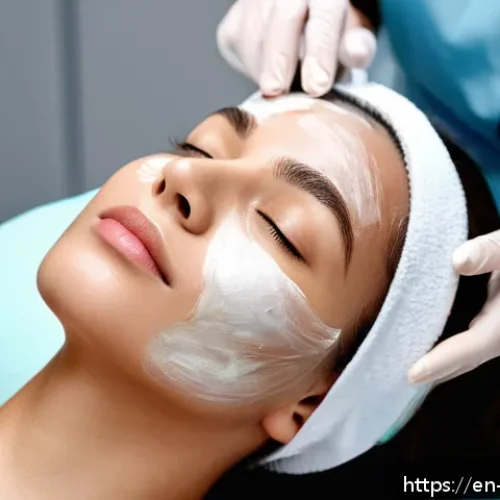
피부결 개선 루틴 관련 이미지 1

Over time, these steps not only enhance appearance but also boost your skin’s resilience against environmental stressors. From choosing the right products to adopting healthy habits, every detail matters in unveiling your best skin.

Let’s dive into the essential strategies that can elevate your skincare game and leave your complexion glowing. Stick around as we explore the most effective ways to improve your skin texture—trust me, you’ll want to know this!

Understanding Your Skin’s Unique Needs

Identifying Skin Texture Issues

Texture problems can vary widely—from rough patches and dryness to enlarged pores and uneven tone. The first step I always recommend is taking a close look at your skin under natural light.

This helps you spot dullness, flaky areas, or bumps that might otherwise go unnoticed. When I started paying attention to these details, it completely changed how I approached my routine.

For example, I noticed tiny rough spots along my cheeks that regular cleansing alone never fixed. Understanding these specific concerns allows you to tailor treatments that target your skin’s exact needs instead of blindly following popular trends.

How Environmental Factors Affect Texture

Our skin is constantly bombarded by environmental stressors like pollution, UV rays, and harsh weather. These elements can break down collagen, clog pores, and cause inflammation, all of which worsen texture irregularities.

Personally, I found that living in a city with high pollution made my skin more prone to roughness and dullness. Incorporating protective steps like antioxidants and daily SPF became non-negotiable for me.

Knowing how your environment impacts your skin helps you pick products that not only improve texture but also build a strong defense against future damage.

The Role of Genetics and Lifestyle

Genetics often set the baseline for your skin texture—some people naturally have smoother skin, while others might struggle with thicker, oilier, or more sensitive skin.

But lifestyle choices can either improve or worsen these inherited traits. Lack of sleep, poor diet, smoking, and stress can all take a toll. I remember when I started prioritizing hydration and cutting back on sugar, my skin texture noticeably softened over a few weeks.

This shows that while you can’t change your genes, you have plenty of control over how your skin behaves day to day through mindful habits.

Advertisement

Mastering the Art of Exfoliation

Choosing Between Physical and Chemical Exfoliants

Exfoliation is a game changer for texture, but the key lies in picking the right type. Physical exfoliants like scrubs or brushes offer immediate smoothness but can be abrasive if used too often or on sensitive skin.

On the other hand, chemical exfoliants, such as AHAs (glycolic, lactic acid) and BHAs (salicylic acid), gently dissolve dead skin cells over time, revealing fresher skin underneath.

From personal experience, switching to a mild chemical exfoliant helped me avoid redness and irritation while achieving consistent texture improvement.

It’s about finding what your skin tolerates best and adjusting frequency accordingly.

Frequency and Timing for Best Results

Over-exfoliating can backfire, causing dryness and irritation that worsen texture issues. I recommend starting with exfoliating once or twice a week and paying close attention to how your skin reacts.

For those with sensitive or dry skin, once a week is usually enough, while oilier types might handle two or three times. Also, exfoliate in the evening to allow your skin to repair overnight without immediate sun exposure, which can be harmful after exfoliation.

Remember, patience is key—texture improvements don’t happen overnight but become evident with consistent, gentle care.

Integrating Exfoliation with Other Steps

Exfoliation works best when paired with proper cleansing and hydration. After removing dead cells, your skin can absorb serums and moisturizers more effectively.

I noticed that layering a hydrating serum immediately after exfoliating helped soothe and plump my skin, preventing any tightness. It’s also essential to follow exfoliation with sunscreen during the day, as the new skin is more vulnerable to UV damage.

This integrated approach creates a protective, nourishing environment that supports texture refinement long term.

Advertisement

Hydration Strategies That Transform Skin Texture

Why Hydration is More Than Just Moisturizing

Hydration means maintaining water content in the skin’s outer layers, which differs from moisturizing that locks in moisture. I learned this distinction the hard way when switching to thicker creams didn’t fix my dry patches.

Incorporating hydrating ingredients like hyaluronic acid and glycerin brought immediate softness and bounce by attracting water to the skin. Drinking enough water and using humidifiers also contributed to a noticeable shift in texture, proving that hydration is a multifaceted process that involves both topical and internal care.

Layering Hydrating Products Effectively

Applying hydration in layers can amplify the benefits. Start with a lightweight essence or toner that preps the skin, followed by a serum rich in humectants, and finish with a moisturizer that seals everything in.

I personally swear by this triple-step layering on drier days—it feels like giving my skin a drink it desperately needs. Also, don’t forget eye creams and lip balms in your hydration game, as these delicate areas often reveal texture problems first.

The key is consistency and adjusting product thickness depending on your skin’s changing needs or climate.

Nighttime Hydration Rituals

Nighttime is prime time for skin repair, so doubling down on hydration before bed can yield impressive texture improvements. I always apply a richer cream or sleeping mask as the last step to create a moisture barrier that works while I sleep.

Adding facial oils can also enhance softness and radiance without clogging pores if chosen wisely. Over time, this routine helped smooth out roughness and gave my skin a healthy, plump glow by morning—something that no quick-fix product could replicate.

Advertisement

Shielding Your Skin from Harmful Elements

The Indispensable Role of Sunscreen

Sunscreen is hands-down the most crucial product for preserving skin texture and preventing premature aging. UV rays accelerate collagen breakdown and cause uneven pigmentation, both of which ruin smoothness.

I noticed that on days I skipped sunscreen, my skin felt rougher and looked duller within a week. Broad-spectrum SPF 30 or higher applied daily, rain or shine, is essential.

Don’t forget areas like your neck, ears, and hands, which are often neglected but equally vulnerable.

Using Antioxidants to Combat Pollution

Antioxidants such as Vitamin C, niacinamide, and green tea extract neutralize free radicals generated by pollution and UV exposure. Incorporating these into your morning routine helps reduce inflammation and supports skin’s natural barrier function.

I started adding a Vitamin C serum a few months ago and immediately noticed my skin appeared brighter and more even-textured. These ingredients are powerful allies in maintaining your skin’s smoothness amid urban living.

Practical Tips for Daily Protection

Beyond products, lifestyle choices matter for shielding your skin. Wearing hats, seeking shade, and avoiding peak sun hours can reduce cumulative damage.

When I travel or spend extended time outdoors, I bring a portable mist with antioxidants and reapply sunscreen every two hours. These small habits complement your skincare routine and help maintain the improvements you work hard to achieve.

It’s about creating a comprehensive defense system that keeps your skin resilient and smooth.

Advertisement

Incorporating Healthy Habits for Long-Term Texture Improvement

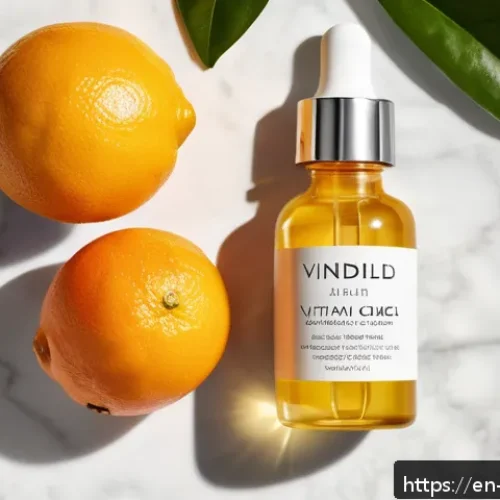
피부결 개선 루틴 관련 이미지 2

Balanced Nutrition for Radiant Skin

What you eat directly affects your skin’s health and texture. Diets rich in antioxidants, omega-3 fatty acids, and vitamins promote collagen synthesis and reduce inflammation.

After adjusting my diet to include more leafy greens, berries, nuts, and fatty fish, I noticed my skin’s texture became noticeably softer and less prone to irritation.

Avoiding excessive sugar and processed foods also helped curb breakouts and rough patches, proving that nutrition is a foundational pillar in skin texture care.

Importance of Quality Sleep and Stress Management

Sleep is when your skin undergoes its most intensive repair. Poor sleep quality or chronic stress can cause dullness, fine lines, and uneven texture. I’ve experienced firsthand how a few nights of bad sleep can make my skin look tired and rough.

Incorporating relaxation techniques like meditation, gentle yoga, or simply unplugging from screens before bed improved not only my skin texture but overall well-being.

Prioritizing rest and stress reduction supports your skin’s natural regeneration processes.

Regular Exercise and Hydration

Exercise boosts circulation, which helps deliver oxygen and nutrients to the skin, promoting a healthy glow and smooth texture. I try to get at least 30 minutes of moderate activity most days, and I always notice my skin looks more vibrant afterward.

Pairing this with proper hydration before, during, and after workouts prevents dryness and maintains suppleness. These simple lifestyle habits complement your skincare products and accelerate texture refinement from the inside out.

Advertisement

Effective Product Selection and Routine Customization

How to Read Labels for Texture-Enhancing Ingredients

Learning to decode product labels is crucial for picking the right items. Look for ingredients like AHAs, BHAs, ceramides, peptides, and antioxidants that specifically target texture improvement.

I remember feeling overwhelmed by options until I started focusing on these key actives, which streamlined my choices and improved results dramatically.

Avoid harsh sulfates or alcohol-heavy formulas that can strip moisture and worsen roughness. A little ingredient knowledge goes a long way in building an effective routine.

Customizing Your Routine to Seasonal Changes

Skin texture needs fluctuate with the seasons—dryness in winter, oiliness in summer, and sensitivity during transitional periods. Adjusting your routine accordingly prevents texture setbacks.

For instance, I swap my heavier winter moisturizer for a lighter gel-based formula in summer and reduce exfoliation frequency when my skin feels more sensitive.

Being flexible and observant allows you to maintain smoothness year-round without overloading or neglecting your skin.

Building a Sustainable Routine That You Enjoy

Consistency is the secret sauce for texture improvement, and the best routine is one you can stick with. I found that incorporating products with pleasant textures and scents made my skincare feel like a treat rather than a chore.

Also, simplifying steps to fit my schedule helped me stay committed even on busy days. Remember, gradual changes and patience pay off more than jumping from product to product.

Creating a sustainable, enjoyable routine fosters lasting improvements and healthier skin overall.

Step Recommended Ingredients Benefits for Skin Texture Usage Tips
Cleansing Gentle surfactants, hydrating agents Removes impurities without stripping moisture Use lukewarm water; avoid over-cleansing
Exfoliation AHAs (glycolic, lactic), BHAs (salicylic) Removes dead skin cells, smooths surface Start with 1-2 times/week; apply at night
Hydration Hyaluronic acid, glycerin, ceramides Attracts and retains moisture, plumps skin Layer light to heavy; apply on damp skin
Protection Broad-spectrum SPF, antioxidants (Vitamin C, niacinamide) Prevents UV damage and pollution effects Apply daily; reapply every 2 hours outdoors
Nutrition & Lifestyle Omega-3s, vitamins A, C, E; water Supports skin repair and reduces inflammation Eat balanced diet; stay hydrated; manage stress
Advertisement

Recognizing Progress and Adjusting Your Approach

Tracking Texture Changes Over Time

Noticing texture improvements can be subtle, so I recommend taking photos under consistent lighting every couple of weeks. This visual record helps identify gradual softening, reduced bumps, and improved tone that the mirror might not immediately reveal.

Journaling your routine and any changes in products or habits can also highlight what’s working best. Celebrating small wins keeps motivation high and encourages sticking with your regimen despite occasional slow progress.

When to Consult a Dermatologist

If texture issues persist despite consistent care or worsen with irritation and redness, professional advice is a must. I once ignored persistent roughness thinking it was normal, but a dermatologist helped me identify underlying concerns like eczema and recommended treatments that sped up healing.

Don’t hesitate to seek expert help for personalized diagnosis, prescription products, or advanced procedures like chemical peels or laser therapy that can accelerate texture refinement safely.

Adapting Your Routine as Your Skin Evolves

Skin changes with age, hormones, and lifestyle shifts, so your routine should evolve too. For instance, I had to add richer moisturizers and gentle peptides as I entered my 30s to maintain smoothness and firmness.

Being flexible and willing to experiment with new ingredients or techniques ensures your skin texture stays refined no matter what life throws at you.

Remember, good skin care is a lifelong journey, not a quick fix.

Advertisement

글을 마치며

Understanding and improving your skin’s texture is a journey that combines attentive care, patience, and the right knowledge. By recognizing your skin’s unique needs and integrating thoughtful habits, you can achieve smoother, healthier skin over time. Remember, consistency and protection are key to long-lasting results. Embrace the process and enjoy the transformation.

Advertisement

알아두면 쓸모 있는 정보

1. Always perform a patch test before introducing new exfoliants or active ingredients to avoid irritation.

2. Using sunscreen daily not only prevents aging but also helps maintain your skin’s texture improvements.

3. Drinking plenty of water and maintaining a balanced diet rich in antioxidants supports skin health from the inside out.

4. Adjust your skincare routine seasonally to accommodate changes in humidity and temperature for optimal texture control.

5. Tracking progress with photos and notes can motivate you and help identify what products or habits work best for your skin.

Advertisement

중요 사항 정리

Effective skin texture management requires a personalized approach that addresses your skin’s specific concerns and environmental factors. Prioritize gentle exfoliation, consistent hydration, and diligent sun protection while supporting your skin through healthy lifestyle choices. Stay observant of your skin’s responses and be ready to adapt your routine as your skin evolves to maintain a smooth and radiant complexion over time.

Frequently Asked Questions (FAQ) 📖

Q: How often should I exfoliate to improve my skin texture without causing irritation?

A: Great question! Exfoliating 2 to 3 times a week is usually the sweet spot for most skin types. When I first started, over-exfoliating left my skin red and sensitive, so I learned to listen to my skin’s signals.
Using gentle chemical exfoliants like AHAs or BHAs can smooth rough patches effectively without harsh scrubbing. Just remember, consistency matters more than frequency—regular, gentle exfoliation helps your skin renew itself naturally and keeps that radiant glow intact.

Q: What’s the best way to keep my skin hydrated while improving texture?

A: Hydration is absolutely key! From my experience, layering a hydrating toner or essence before your moisturizer really locks in moisture and plumps the skin.
Look for ingredients like hyaluronic acid and glycerin—they attract water and create a smooth surface. Also, don’t underestimate the power of drinking plenty of water throughout the day.
I noticed my skin texture improved dramatically once I paired topical hydration with good hydration habits overall.

Q: How important is sun protection in maintaining smooth, radiant skin?

A: Sun protection is a total game-changer. Even the best exfoliation and hydration routines can be undone by sun damage. I always recommend using a broad-spectrum sunscreen with at least SPF 30 daily, rain or shine.
UV rays accelerate skin aging and cause uneven texture, so shielding your skin helps preserve that silky, glowing finish. Personally, after committing to daily sunscreen, I saw fewer rough patches and less discoloration, making all my other skincare efforts pay off more.

📚 References


➤ Link

– Google Search

➤ Link

– Bing Search

➤ Link

– Google Search

➤ Link

– Bing Search

➤ Link

– Google Search

➤ Link

– Bing Search

➤ Link

– Google Search

➤ Link

– Bing Search

➤ Link

– Google Search

➤ Link

– Bing Search

➤ Link

– Google Search

➤ Link

– Bing Search

➤ Link

– Google Search

➤ Link

– Bing Search

➤ Link

– Google Search

➤ Link

– Bing Search