Hey beautiful people! Let’s talk about something many of us deal with far too often: irritated skin. That redness, that itchiness, the constant battle to find something that soothes instead of aggravates.
For years, it felt like the only solutions were harsh, stripping, or just plain ineffective, leaving our skin even more sensitive than before. I know that feeling firsthand, and honestly, it’s frustrating when you just want your skin to feel calm and happy.
But guess what? The world of skincare is rapidly transforming, and I’m genuinely excited about the incredible innovations making truly gentle yet effective treatments more accessible than ever before.
We’re moving beyond the “one-size-fits-all” approach to a future where personalized care is the new standard, leveraging cutting-edge science to truly understand and cater to our unique skin needs.
Think smart, non-invasive procedures and ingredients designed to nurture your skin barrier, not break it down. It’s all about getting fantastic results with less downtime and, most importantly, less irritation.
If you’ve ever felt like your skin was holding you back, get ready to dive into a whole new era of calm, clear skin. Want to discover the game-changing procedures and smart tips that are revolutionizing how we treat sensitive and irritated skin?
Let’s dive right in and uncover all the details!
Beyond the Basic Creams: Unpacking Skin Reactivity

Decoding Your Skin’s Distress Signals
Okay, let’s be real. We’ve all been there—that moment you look in the mirror and your skin is just… angry. Red, blotchy, maybe a little itchy, or feeling tight and uncomfortable. It’s more than just a bad skin day; it’s your skin trying to tell you something pretty loudly. For so long, I felt like I was constantly just reacting to flare-ups, slathering on whatever “sensitive skin” product I could find, often with mixed results. It truly felt like a guessing game, and my skin rarely truly settled down. What I’ve learned, both from my own trials and errors and diving deep into the science, is that true relief comes from understanding *why* your skin is reacting. Is it environmental? A new product? Stress? Food? It’s like being a detective for your face, and once you start piecing together the clues, you gain so much power back. Instead of just treating the symptom, we can start addressing the root cause, and that, my friends, is a total game-changer for long-term comfort and clarity. It’s about moving past just hoping a product works and actually empowering ourselves with knowledge.
The Hidden Triggers in Your Daily Routine
Sometimes, the culprits are hiding in plain sight, tucked away in our everyday habits. I remember a time when I was convinced my skin was just naturally super reactive to everything, but after meticulously tracking my routine, I realized my favorite foaming cleanser was actually stripping my skin’s natural oils, leaving it vulnerable and inflamed. It felt like a betrayal because it was marketed as gentle! That’s why it’s so crucial to really scrutinize everything that touches your skin. Fragrances, harsh exfoliants (physical and chemical), certain alcohols, and even overly hot showers can be stealthy irritants. And it’s not just products; things like laundry detergent residue on pillowcases, tap water hardness, and even the fabric of your mask can play a role. It’s a bit of an awakening when you start identifying these hidden triggers. It requires a little bit of patience and attention to detail, but trust me, the payoff of calm, happy skin is absolutely worth it. It’s about creating a harmonious environment for your skin, not a battleground.
Revolutionizing Redness: Gentle Pro-Level Treatments
Calm with Light: Understanding Low-Level Laser Therapy
When I first heard about using lasers for sensitive skin, I was naturally skeptical. Lasers? On *my* easily irritated skin? It sounded like a recipe for disaster. But then I discovered the magic of Low-Level Laser Therapy (LLLT), or sometimes referred to as LED light therapy. This isn’t your harsh ablative laser, folks. We’re talking about gentle, non-invasive light wavelengths—red and near-infrared light, typically—that work their magic deep within your skin cells without causing any damage or heat. I was blown away by how incredibly soothing and calming it felt. My aesthetician explained how it helps to reduce inflammation, accelerate healing, and even boost collagen production without any downtime or irritation whatsoever. I’ve personally seen incredible results in reducing persistent redness and just generally making my skin feel more resilient. It’s like giving your cells a gentle pep talk, encouraging them to heal and rejuvenate themselves naturally. If you’ve struggled with chronic irritation or just want to fortify your skin against daily stressors, this is absolutely something to explore. It’s truly a testament to how far skincare technology has come, offering powerful benefits with zero aggression.
The Soothing Science of Hydration Infusion
Dry, dehydrated skin is often irritated skin, plain and simple. When your skin barrier is compromised, it struggles to hold onto moisture, leading to that tight, flaky, often itchy sensation that drives us all crazy. I used to just pile on heavy creams, hoping for the best, but it often felt like I was just masking the problem rather than solving it. That’s why I’m such a massive fan of advanced hydration infusion treatments. Think deeply nourishing serums, packed with ingredients like hyaluronic acid, peptides, and ceramides, delivered directly into your skin using gentle, non-invasive methods like oxygen facials or micro-needling (but only the *superficial* kind, and only for specific skin types, so always consult a pro!). The goal isn’t to abrade, but to flood your skin with vital moisture and nutrients, allowing it to heal and rebuild its protective barrier. After one of these treatments, my skin feels incredibly plump, soft, and, most importantly, unbelievably calm and hydrated. It’s like a tall drink of water for your parched skin, and the difference in how comfortable and healthy my skin feels afterward is truly profound. It’s a wonderful way to reset and deeply nourish your skin, especially during harsh weather or after a period of stress.
Your Skin Barrier: The Ultimate Defense System
Building a Resilient Skin Foundation
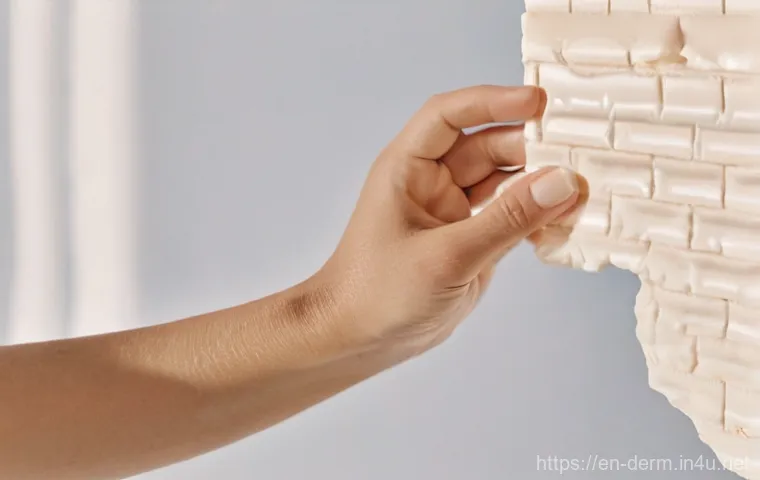
If you’re dealing with irritated skin, your skin barrier is probably shouting for help. Think of your skin barrier like a brick wall: the “bricks” are your skin cells, and the “mortar” is a mix of lipids—ceramides, cholesterol, and fatty acids—that hold everything together. When this wall is strong, it keeps irritants out and moisture in. But when it’s compromised, that wall crumbles, leaving your skin vulnerable to all sorts of external aggressors and making it prone to dryness, redness, and sensitivity. I’ve learned through trial and painful error that truly healthy skin starts with a healthy barrier. No fancy serum or expensive cream will work optimally if your foundation isn’t solid. It’s about protecting this vital layer, not constantly stripping or assaulting it. This means using gentle cleansers, avoiding overly hot water, and choosing products that support barrier function. It’s an investment in your skin’s long-term health and resilience, and frankly, it’s where I now focus most of my energy. My skin literally transformed once I prioritized barrier repair. It went from feeling constantly fragile to strong and calm, which honestly feels like a superpower after years of battling sensitivity.
Why Less is Often More for Lasting Comfort
In the world of skincare, it’s so easy to get caught up in the hype of multi-step routines and endless product layering. More products, more ingredients, more actives—surely that means better results, right? Wrong, especially for sensitive skin! I fell into this trap so many times, thinking I needed to try every new ingredient or trend, only to end up with a red, angry, confused complexion. What I’ve found, and what many experts confirm, is that for sensitive and irritated skin, less is almost always more. Overloading your skin with too many ingredients, especially potent actives, can overwhelm its natural defenses and trigger a backlash. Simplifying your routine to just a few key, high-quality, gentle products allows your skin to breathe, heal, and do its job without interference. Focus on a gentle cleanser, a soothing moisturizer, and a good mineral sunscreen. Introduce new products one at a time, and listen to what your skin tells you. It’s not about deprivation; it’s about strategic curation. This minimalist approach has not only saved my skin but also my wallet and my sanity! It’s empowering to know that sometimes, stepping back is the most powerful skincare move you can make.
Crafting Your Calm: Daily Habits That Truly Heal
The Art of Mindful Cleansing
Cleansing might seem like the most basic step in any skincare routine, but for those of us with sensitive skin, it can be a minefield. For years, I approached cleansing like I was scrubbing a dirty pot—the squeakier clean, the better, right? Oh, how wrong I was! That tight, stripped feeling after washing is actually a huge red flag, indicating you’ve probably compromised your skin barrier. The art of mindful cleansing for irritated skin is all about being incredibly gentle. Think lukewarm water, never hot. Use a creamy, hydrating cleanser that doesn’t foam excessively or contain harsh sulfates. My personal preference is often a balm or oil cleanser followed by a gentle, milk-based one if I’m wearing makeup, but always rinsing very thoroughly but without rubbing. And here’s a crucial tip: pat your skin dry with a soft towel, don’t rub! Treat your face like the delicate masterpiece it is. This gentle approach ensures you remove impurities without stripping away essential moisture or irritating your skin further. It truly sets the tone for the rest of your routine, allowing subsequent products to work more effectively on a calm, receptive canvas.
Smart Product Layering for Sensitive Skin
Once you’ve got the gentle cleansing down, how you layer your products becomes incredibly important, especially if your skin is prone to irritation. It’s not just about what you put on, but the order and the synergy between them. For sensitive skin, I’ve found that less is often more, but when you do layer, think about thin to thick textures, and always prioritize soothing and barrier-supporting ingredients. After a gentle cleanse, a hydrating toner or essence can prep your skin, followed by a calming serum (think niacinamide or centella asiatica). Next comes your barrier-repairing moisturizer, and always, always finish with a broad-spectrum mineral sunscreen during the day. The key is to give each layer a moment to absorb before applying the next, preventing pilling and ensuring maximum efficacy without overwhelming your skin. I’ve personally experienced far fewer flare-ups by being strategic with my layering, allowing each product to do its job without interference. It’s about building up protection and nourishment, not overwhelming your delicate skin with too much at once. Patience and intention really pay off here, creating a comforting blanket for your skin.
Ingredient Intel: What Your Sensitive Skin Craves (and Hates!)
Navigating the ingredient lists on skincare products can feel like trying to decipher an ancient scroll, especially when you have sensitive skin that reacts to seemingly everything! I’ve spent countless hours researching and patch-testing, often with frustrating results, to truly understand what ingredients are friends and what are foes for easily irritated complexions. It’s not just about avoiding “bad” stuff; it’s also about actively seeking out the “good” stuff that genuinely soothes and strengthens your skin. This journey of discovery has been eye-opening, and I want to share my hard-won knowledge so you don’t have to go through the same trial-and-error rollercoaster I did. Understanding these fundamental ingredient categories can truly transform your relationship with your skin, giving you the power to choose products that truly nurture rather than provoke. It’s about being an informed consumer and advocating for your skin’s well-being. Knowing these details is probably the single most impactful change you can make for lasting comfort.
The Powerhouse Soothers You Need
For sensitive skin, certain ingredients act like a comforting hug, reducing redness, calming inflammation, and repairing that all-important skin barrier. I absolutely swear by ingredients like Ceramides; they’re the “mortar” of your skin barrier, helping it stay intact and preventing moisture loss. Niacinamide (Vitamin B3) is another superstar—it reduces inflammation, minimizes redness, and improves overall skin tone without irritation. Centella Asiatica (Cica) is a personal favorite, especially its compounds like Madecassoside, known for their incredible healing and soothing properties. I always reach for Cica products when my skin feels particularly reactive. And let’s not forget Hyaluronic Acid, a moisture magnet that plumps and hydrates without any greasiness. Oats (Colloidal Oatmeal) are another ancient remedy that stands the test of time, providing instant relief from itchiness and irritation. Incorporating these into your routine can make a world of difference, creating a resilient and peaceful complexion. I’ve found that building a routine around these pillars dramatically reduces flare-ups and keeps my skin feeling happy.
Common Culprits to Sideline from Your Stash
Just as important as knowing what to use is knowing what to avoid like the plague if your skin is easily irritated. My skin and I have had some truly dramatic breakups with certain ingredients over the years! The biggest offenders typically include Fragrance (both synthetic and natural essential oils, as even “natural” can be irritating for some), Denatured Alcohol, which can be incredibly drying and sensitizing, and harsh Sulfates often found in foaming cleansers. I’m also very wary of physical exfoliants with jagged particles, as they can cause micro-tears in delicate skin. Even some chemical exfoliants, like high concentrations of Glycolic Acid or Salicylic Acid, can be too much for sensitive skin, so patch testing or opting for gentler alternatives like PHA is key. Always read labels with a critical eye. It’s a bit of an effort initially, but once you identify your personal triggers, shopping for skincare becomes so much easier and far less stressful. Trust me, ditching these common irritants is one of the quickest ways to see a significant improvement in your skin’s comfort and clarity.
| Soothing Superstars for Sensitive Skin | Common Irritants to Avoid |
|---|---|
| Ceramides (strengthens barrier) | Synthetic Fragrances & Essential Oils |
| Niacinamide (reduces inflammation, redness) | Denatured Alcohol (drying) |
| Centella Asiatica (Cica) (heals & calms) | SLS/SLES Sulfates (harsh cleansers) |
| Hyaluronic Acid (hydrates without stickiness) | Physical Exfoliants with large particles |
| Colloidal Oatmeal (anti-itch, soothes) | High concentrations of AHA/BHA (can over-exfoliate) |
| Squalane (emollient, non-comedogenic) | Certain Preservatives (e.g., Methylisothiazolinone) |
When Expert Hands Are Needed: Advanced Strategies
Prescription Power for Persistent Problems
Sometimes, despite our best efforts with over-the-counter products and careful routines, our sensitive skin just needs a little more oomph, a stronger hand to guide it back to balance. This is where a board-certified dermatologist becomes your absolute best friend. I used to think of dermatologists as only for severe acne or skin diseases, but honestly, they are invaluable for persistent irritation, chronic redness, or conditions like rosacea or eczema that simply won’t budge with general skincare. They have access to prescription-strength ingredients and treatments that are specifically formulated to address deeper issues. For example, low-dose retinoids can be incredibly beneficial for barrier function and sensitivity when properly introduced under medical guidance. Or, they might prescribe anti-inflammatory creams or specific serums designed to calm stubborn redness. It’s not about giving up on your own routine; it’s about strategically bringing in the big guns when necessary, ensuring you get targeted, effective care that’s tailored to *your* unique skin situation. Think of it as upgrading your defense strategy with expert-level reinforcements when the battle gets tough.
Professional Peels and Facial Therapies Reimagined
The words “chemical peel” used to send shivers down my spine, conjuring images of red, peeling, incredibly sensitive skin—the exact opposite of what I wanted! But just like other skincare innovations, professional peels and facial therapies have come a long, long way, especially for sensitive skin. We’re talking about incredibly gentle, customized treatments designed to soothe, strengthen, and very, very gently resurface, rather than strip away. Imagine enzyme peels that gently digest dead skin cells without harsh acids, or lactic acid peels at super low concentrations that hydrate while exfoliating. Many clinics also offer specialized calming facials that incorporate lymphatic drainage, soothing masks, and professional-grade serums delivered with a gentle touch. These aren’t about aggressive transformation; they’re about nurturing your skin back to health under the guidance of a skilled professional. I’ve personally experienced calming facials that left my skin incredibly soft, hydrated, and surprisingly less reactive, not more. It’s about finding a reputable aesthetician who understands sensitive skin and can tailor treatments that support your barrier, not break it down. It’s a wonderfully therapeutic way to give your skin a reset and a boost of professional-grade goodness.
Cultivating an Inner Glow: Beyond Topical Solutions
The Gut-Skin Connection: Fueling From Within
We often focus so much on what we put *on* our skin, but what about what we put *into* our bodies? This is where the fascinating gut-skin connection comes into play, and it’s something I’ve personally found to be a massive game-changer for my sensitive complexion. Our gut health profoundly impacts our overall inflammatory response, and that inflammation can absolutely show up on our skin as redness, irritation, or even breakouts. When my skin was constantly agitated, I started looking at my diet with a whole new perspective. Incorporating more anti-inflammatory foods like leafy greens, healthy fats (avocado, omega-3s), and fermented foods rich in probiotics (kefir, kimchi, yogurt) has made a noticeable difference. On the flip side, I’ve also learned to recognize how certain foods, like excessive sugar or highly processed items, can sometimes trigger a flare-up for me personally. It’s not about drastic diets, but about mindful eating and nourishing your body from the inside out. When my gut feels happy and balanced, my skin tends to follow suit, feeling calmer and looking clearer. It’s a holistic approach that truly supports lasting skin health, beyond just creams and serums.
Stress Less, Glow More: The Mind-Skin Link
I know, I know, “stress less” is easier said than done, right? But seriously, the connection between our mental state and our skin’s well-being is undeniable, especially for those of us with sensitive and reactive skin. Every time I go through a particularly stressful period, my skin is usually the first to tell on me—hello, unexpected redness, increased sensitivity, and sometimes even a fun little breakout party! When we’re stressed, our bodies release hormones like cortisol, which can trigger inflammation and compromise our skin barrier function, making it more vulnerable to irritation. Recognizing this link was huge for me. It meant that self-care wasn’t just a luxury; it was a crucial part of my skincare routine. Incorporating stress-reducing practices like meditation, gentle exercise, spending time in nature, or even just carving out five minutes of quiet time for myself each day has had a tangible positive effect on my skin. It’s about managing that internal environment just as much as the external one. My skin looks and feels significantly calmer when I make an active effort to manage my stress levels. It’s a powerful reminder that true beauty and calm skin emanate from a place of overall well-being.
Concluding Thoughts
So, my friends, we’ve journeyed through the intricate world of sensitive skin together, from decoding its distress signals to embracing mindful habits and even looking inward at our gut and stress levels.
It truly isn’t just about finding that one miracle cream; it’s about becoming a proactive partner with your skin, listening to what it needs, and understanding its unique language.
This isn’t a race to perfection, but a marathon towards consistent comfort and resilience. By arming ourselves with knowledge and making conscious choices, we empower our skin to thrive, revealing that radiant, calm complexion we all deserve.
Keep experimenting gently, keep learning, and most importantly, keep nurturing yourself, inside and out.
Useful Information to Know
1. Patch testing new products is your secret weapon. Always try a small amount on an inconspicuous area, like behind your ear or on your inner arm, for a few days before applying it all over your face. This little step can save you a world of discomfort and irritation!
2. Simplify your routine! Sometimes, less truly is more, especially when your skin is reactive. Stick to a gentle cleanser, a soothing moisturizer, and a mineral sunscreen, and slowly introduce any new actives one at a time.
3. Pay attention to the water temperature. Hot showers can strip your skin’s natural oils and worsen irritation. Opt for lukewarm water when cleansing your face and showering to protect your delicate skin barrier.
4. Consider the fabrics that touch your skin. Your pillowcases, towels, and even the materials in your clothing can cause friction or irritation. Choose soft, breathable materials like silk or organic cotton for your bedding and garments.
5. Hydration isn’t just about drinking water, although that’s super important! Look for moisturizers with ingredients like hyaluronic acid, ceramides, and glycerin to lock in moisture and support a healthy, plump skin barrier throughout the day and night.
Key Takeaways
Ultimately, mastering sensitive skin means embracing a holistic, patient approach. Prioritize strengthening your skin barrier with gentle products and mindful practices.
Understand your unique triggers—be they environmental, dietary, or stress-related—and make informed choices. Remember that true skin health is a reflection of overall well-being, blending careful topical care with a nourishing lifestyle from within.
This journey is about empowerment, comfort, and discovering the resilient, radiant skin that’s always been yours, just waiting to be nurtured.
Frequently Asked Questions (FAQ) 📖
Q: What are some of the truly game-changing gentle treatments for chronically irritated skin that you’ve seen make a real difference?
A: Oh, this is such a fantastic question because for so long, it felt like “gentle” meant “not very effective,” right? But that’s absolutely not the case anymore.
From my own journey and what I’ve seen in the skincare world, a huge game-changer has been the focus on skin barrier repair. When your skin barrier is compromised, it’s like having a tiny, invisible crack in your skin’s protective shield, letting irritants in and precious moisture out.
So, treatments that prioritize rebuilding this barrier are gold. Think products packed with ingredients like ceramides, hyaluronic acid, niacinamide, and panthenol.
I’ve personally found these dramatically reduce redness and tightness. Beyond topical creams and serums, I’ve seen incredible results with LED light therapy.
It’s a non-invasive treatment that uses different light wavelengths—red for calming inflammation and stimulating collagen, blue for antibacterial benefits.
It feels incredibly soothing, almost like a warm hug for your skin, and I’ve noticed a significant reduction in my skin’s overall reactivity and redness after consistent sessions.
Another innovative approach that’s gaining traction, especially for sensitive skin, is the rise of probiotic and prebiotic skincare. These help balance your skin’s microbiome, strengthening its natural defenses from the inside out.
It’s truly a holistic way to nurture your skin back to health without any harshness.
Q: With so many new products popping up, how can I actually tell if something is genuinely good for my sensitive skin and not just another marketing gimmick?
A: Girl, I hear you! It’s a minefield out there, and my bathroom cabinet has seen its fair share of “miracle products” that ended up causing more drama than they solved.
The absolute first thing I always tell anyone with sensitive skin is: become an ingredient detective! Look for labels that explicitly say “fragrance-free,” “hypoallergenic,” or “for sensitive skin.” But honestly, those are just starting points.
Dig a little deeper and avoid common irritants like harsh alcohols, sulfates, and synthetic dyes. Instead, seek out those barrier-loving ingredients we just talked about: ceramides, hyaluronic acid, glycerin, and soothing extracts like aloe vera, chamomile, or calendula.
Another crucial step, and one I swear by, is patch testing. I know, it takes patience, but trust me, your skin will thank you. Apply a tiny amount of the new product to a discreet area, like behind your ear or on your inner forearm, for a few days to a week.
If there’s no redness, itching, or irritation, then you can slowly introduce it to your face. And here’s a big one: listen to your skin. It literally tells you what it likes and dislikes.
If something feels tingly, hot, or uncomfortable, even if everyone else raves about it, it’s probably not for your unique skin. Don’t be afraid to part ways with a product that isn’t serving you.
Q: Beyond products, what daily habits or lifestyle shifts have you found most effective in keeping your sensitive skin happy and calm long-term?
A: Okay, this is where the real magic happens, because skincare isn’t just about what you put on your face, it’s about your whole lifestyle! One of the biggest shifts I made was embracing gentle cleansing and moisturizing.
Seriously, less is often more. I use a mild, non-foaming cleanser with lukewarm water—never hot, because that can strip your skin. And I always, always moisturize immediately after cleansing to lock in hydration.
Beyond that, sun protection is non-negotiable. Sensitive skin is more vulnerable to UV damage, so a broad-spectrum mineral sunscreen with zinc oxide or titanium dioxide is your best friend, every single day, rain or shine.
Another thing that made a huge difference for me was managing stress. Our skin is so connected to our overall well-being. When I’m stressed, my skin definitely shows it.
Finding little ways to de-stress, whether it’s yoga, meditation, or just taking a few deep breaths, has been a game-changer for my complexion. And let’s not forget diet and hydration.
While there’s no “one size fits all” diet for sensitive skin, I’ve found that staying well-hydrated and focusing on a balanced diet rich in antioxidants helps my skin look and feel much calmer.
Lastly, and this one might surprise you: check your laundry detergent! Harsh chemicals and fragrances in detergents can irritate your skin, especially if you’re prone to body redness or itchiness.
Switching to a hypoallergenic, fragrance-free option can make a world of difference. It’s all about creating a nurturing environment for your skin, inside and out!