The best anti-aging cream depends on your skin type, tolerance, and goals. Compare retinoids, peptides, ceramides, hydration, packaging, and price per ounce before choosing.
How to Choose an Anti-Aging Cream: Ingredients, Skin Type, and Value Compared
The best anti-aging cream is the one that matches your main goal: moisture support for dryness, a retinoid night cream for fine lines and texture, barrier care for sensitive skin, or sunscreen for daytime protection. A higher price does not automatically mean a better choice; compare the active ingredients, texture, packaging, and price per ounce before buying. For many routines, a simple moisturizer with humectants and barrier-supporting lipids is a sensible starting point. A targeted formula may be worth considering when you want a specific active ingredient or a texture you will use consistently. Retinoids can improve the appearance of fine lines and uneven texture, but they may also cause dryness or irritation during the adjustment period. The most practical purchase is usually a cream that fits your skin tolerance, routine, and long-term budget.
At a Glance
- For dryness and tightness: Look for glycerin, hyaluronic acid, ceramides, and other barrier-supporting lipids.
- For fine lines and uneven texture: Consider a retinoid-based night formula, introduced carefully.
- For visible UV-related aging prevention: Use broad-spectrum sunscreen daily as a separate daytime step.
| Ingredient or Feature | Best Match | Irritation Consideration | Packaging Preference | Value Question to Ask |
|---|---|---|---|---|
| Retinoids | Fine lines and uneven-looking texture | May cause dryness or irritation, especially at first | Opaque or airless packaging can be useful | Will you use it consistently enough to justify a targeted night product? |
| Peptides | People seeking a targeted anti-aging formula | Individual response can vary by formula and routine | Check the product’s storage guidance | Does the formula offer features you value beyond the marketing claim? |
| Ceramides, glycerin, hyaluronic acid | Dry, tight, or moisture-depleted-feeling skin | Often a practical focus for a gentle routine | Packaging is usually less of a deciding factor | Would a straightforward face moisturizer meet your needs? |
| Fragrance-free formula | Reactive or easily irritated skin | May be a better starting point for some people | Choose a package that is easy to use hygienically | Are you paying for scent or packaging rather than useful formula features? |
The Short Answer: Match the Cream to Your Main Skin Goal
Choose Hydration and Barrier Support for Dryness and Tightness
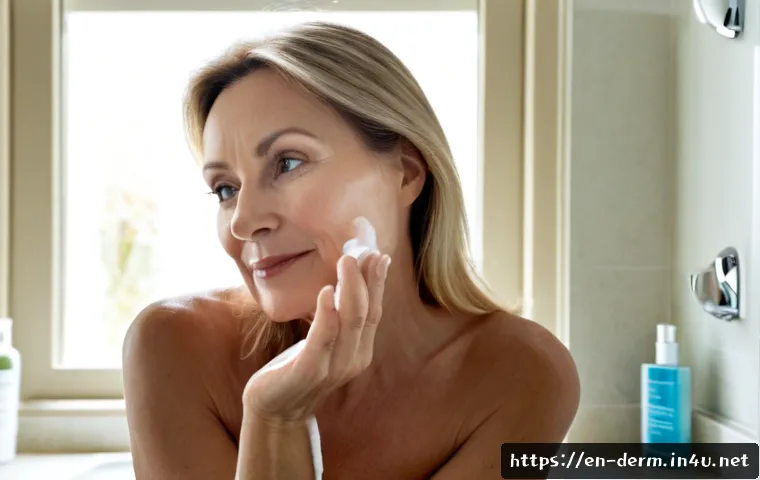
If your skin feels tight, flaky, or uncomfortable, start with a cream focused on humectants and barrier support. Glycerin and hyaluronic acid help attract water to the outer layer of the skin. Ceramides and other barrier-supporting lipids can help reduce moisture loss, which may make them especially relevant for dry or sensitive skin.
This category does not need to be marketed as a premium anti-aging moisturizer to be useful. A simple cream that feels comfortable, layers well, and is easy to use every day can offer better value than an expensive jar that stays unopened. If fragrance or essential oils have bothered your skin before, a fragrance-free option may be easier to evaluate.
Consider a Retinoid-Based Night Formula for Fine Lines and Texture
A retinoid cream may be a reasonable category to compare if fine lines and uneven-looking texture are your main concerns. Retinoids can improve the appearance of these concerns, but they can also lead to dryness or irritation, particularly when first introduced. The right product is not necessarily the strongest-looking option on a product page; tolerance and regular use matter.
Look beyond claims such as “age-defying” or “renewing.” Check whether the product clearly identifies the retinoid type, whether the texture suits nighttime use, and whether the packaging limits repeated exposure to air or light. Opaque tubes and airless pumps can be useful for formulas containing ingredients that may degrade with that exposure.
Use Sunscreen Separately for Daytime Photoaging Prevention
No anti-aging cream should replace the role of daily broad-spectrum sunscreen. Daily use helps limit UV-related visible skin aging, including uneven tone and fine lines. If you are building a routine from scratch, a comfortable moisturizer at night and a sunscreen you will apply consistently in the daytime are often more practical than chasing one all-in-one cream.
Compare Anti-Aging Cream Ingredients Before You Buy
Retinoids: Potential Benefits, Adjustment Period, and Caution Points
Retinoids are a leading comparison point in anti-aging skincare because they may improve the appearance of fine lines and uneven texture. Their drawback is simple: they are not equally comfortable for everyone. Dryness, irritation, and sensitivity can happen, especially when a product is introduced too quickly or combined with an already demanding routine.
When comparing a retinoid night cream, prioritize a formula you can introduce gradually. A rich moisturizer base may appeal to dry skin, while a lighter cream may feel more suitable for someone who dislikes heavy layers. Exact ingredient concentrations are not always disclosed, so do not assume that a bold label reveals the full picture.
Peptides, Antioxidants, and Soothing Ingredients
Peptides are common in anti-aging cream formulas, but outcomes can vary by formula, concentration, routine, and individual skin response. They can be a reasonable feature to compare, especially if you prefer a targeted premium moisturizer without making a retinoid your main active. Still, do not buy based on peptides alone. Compare the complete formula, texture, packaging, and cost per ounce.
Many product pages also highlight antioxidants or soothing ingredients. These may influence your preference, but the label does not guarantee a particular visible result. Focus on whether the formula fits your routine and whether it avoids ingredients that have previously caused discomfort for you.
Ceramides, Glycerin, and Hyaluronic Acid for Moisture Support
For a moisture-first approach, glycerin, hyaluronic acid, and ceramides are useful label terms to recognize. Humectants help attract water to the outer skin layer, while ceramides and similar lipids support the barrier and can help reduce moisture loss. This combination can make a basic face moisturizer a strong long-term purchase for dry or mature-feeling skin.
A barrier-supporting cream can also be useful alongside a more targeted product. For example, a person who uses a retinoid at night may want a separate uncomplicated moisturizer for nights when their skin feels dry. That is often more flexible than expecting one active cream to solve every concern.
Fragrance-Free Versus Fragranced Formulas
Fragrance is not automatically a problem, but fragrance, essential oils, and highly active formulas may be less suitable for some people with reactive skin. If your skin is easily irritated, a fragrance-free cream is often a more straightforward comparison choice. It reduces one variable when you are trying to identify what your skin tolerates.
What Makes One Cream Better Value Than Another?
Price per Ounce Versus Jar Price
The sticker price is not enough for a useful skincare product comparison. Compare the price per ounce or the equivalent unit shown by the retailer, then consider how often you expect to use the product. A smaller premium moisturizer may look affordable until you compare its amount with a larger basic face cream.
A higher-cost formula may make sense if it contains a targeted active you specifically want, has packaging you prefer, or replaces another step you would otherwise buy. If not, a lower-cost moisturizer may be the smarter routine staple.
Packaging, Shelf-Life Considerations, and Product Waste
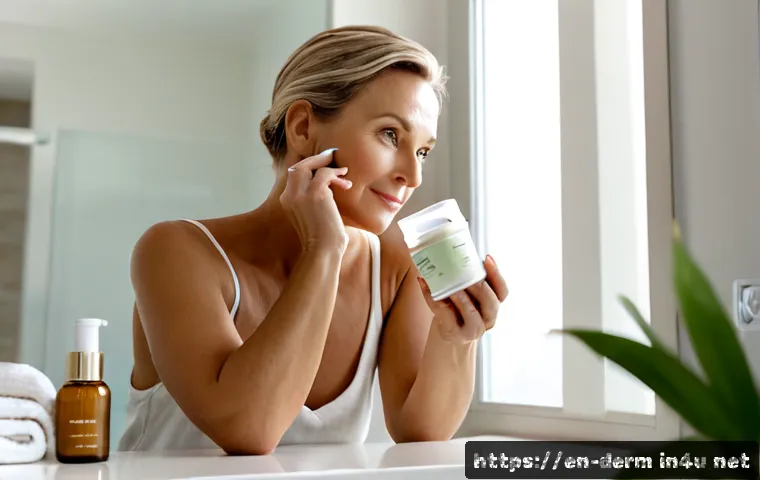
Packaging affects both convenience and value. Jars can be easy to access, while pumps and tubes can feel more controlled and may reduce product waste. For ingredients that may degrade with repeated exposure to air or light, opaque packaging or an airless pump can be a useful feature to compare.
Also consider whether you can realistically finish the product while it remains suitable for use. Buying a large size only makes sense when the texture, routine fit, and tolerance are already known.
When Premium Textures or Targeted Ingredients May Justify a Higher Cost
A premium cream can be worth a closer look when it has a targeted ingredient category you want, feels comfortable enough for regular use, and comes in packaging that supports the formula. The key is not the luxury label. It is whether the product solves a real routine problem, such as providing a retinoid in a night cream texture you can tolerate or offering barrier support without a heavy finish.
When a Simple Moisturizer May Be the Smarter Purchase
A simple moisturizer is often enough when your priority is hydration, comfort, and barrier support. If you do not need a targeted active ingredient, a well-tolerated cream with humectants and lipids may provide more dependable value than a complicated anti-aging product. Spend more only when the added feature is relevant to your actual goal.
How to Introduce an Active Cream Without Overdoing It
Patch Testing and Starting Slowly

Before applying a new active cream widely, consider a patch test and introduce it slowly. This is particularly relevant for retinoids and highly active formulas because irritation can occur during the adjustment period. Keep the rest of your routine simple while you learn how your skin responds.
Avoiding Common Irritation Mistakes
Do not treat irritation as proof that a product is working. Using multiple new actives at once can make it difficult to identify the cause of dryness or discomfort. If your skin is reactive, choose fewer variables: a gentle cleanser, a barrier-supporting moisturizer, and one new treatment category at a time.
Pairing Night Treatments With a Gentle Cleanser and Daytime Sunscreen
A retinoid-based night routine is easier to manage when it is paired with a gentle cleansing approach and a moisturizing cream that supports comfort. During the day, use broad-spectrum sunscreen consistently. This pairing addresses different needs: nighttime treatment choices and daytime UV-related visible aging prevention.
When to Pause Use and Seek Professional Guidance
Pause a product if it causes persistent discomfort or a reaction you are concerned about. An over-the-counter cream may not be appropriate for persistent skin concerns or a diagnosed skin condition. In those cases, professional guidance is the safer next step than repeatedly switching products.
Best Cream Features by Skin Type and Routine
Dry or Mature-Feeling Skin
Prioritize ceramides, glycerin, hyaluronic acid, and a comfortable cream texture. A richer moisturizer may be appealing if your skin feels tight, but the best texture is the one you will use regularly. If fine lines are also a goal, you may compare a retinoid night formula separately rather than replacing your entire moisturizing step.
Oily or Acne-Prone Skin
Look for a texture that does not feel overly heavy for your preferences. A lighter lotion or cream may be easier to use consistently than a dense balm-like product. Because individual reactions, including acne or sensitivity, cannot be predicted from a label alone, introduce one new product at a time.
Sensitive or Easily Irritated Skin
Choose a fragrance-free, barrier-supporting formula first when possible. Be cautious with essential oils and highly active formulas. Retinoids may still be a category to discuss or explore carefully, but a slow introduction and a simple routine are especially important for easily irritated skin.
Minimal Routines Versus Multi-Step Routines
A minimal routine can be effective for people who value simplicity: cleanser, moisturizer, and broad-spectrum sunscreen, with a targeted night product only if it fits. A multi-step routine may offer more options, but it also creates more potential sources of irritation and more products to compare. Choose the routine you can maintain without guesswork.
Selection Criteria and Comparison Summary
Before purchasing a full-size anti-aging cream, check these practical filters:
- Main goal: hydration, barrier support, fine lines, uneven texture, or a lightweight everyday moisturizer.
- Active ingredient: decide whether you actually want a retinoid or peptide-focused formula, or simply a reliable moisturizer.
- Texture and fragrance: choose a finish you will use regularly; consider fragrance-free options for reactive skin.
- Packaging: compare jars, tubes, opaque containers, and airless pumps, especially for active formulas.
- Budget: compare price per ounce rather than jar price alone, and review bundle, refill, or subscription options only if they match your realistic usage.
For a basic hydration goal, start with a barrier-supporting moisturizer. For fine lines and texture, compare retinoid night creams with careful attention to tolerance. For daytime prevention, select a broad-spectrum sunscreen separately. Before committing to a premium moisturizer, review the official product page for full ingredient information, size, packaging, and current refill or subscription terms.
In Closing
The best anti-aging cream is not a universal product category. It depends on whether your skin needs moisture support, a carefully introduced retinoid, a low-irritation formula, or a better daytime sunscreen habit. Compare what is inside the package, how the product is packaged, and what it costs per ounce. A routine that feels comfortable and practical is usually easier to keep using than an expensive product chosen for its marketing alone.
Useful Things to Know
1. Daily broad-spectrum sunscreen helps limit UV-related visible skin aging.
2. Humectants attract water to the outer layer of skin, while ceramides and other lipids support moisture retention.
3. Opaque and airless packaging can be useful when a formula contains ingredients affected by repeated light or air exposure.
4. Product texture is not a minor detail; it strongly affects whether you will use a cream consistently.
Important Considerations
Ingredient lists and product descriptions cannot reliably predict whether a specific cream will cause irritation, acne, allergy, or sensitivity for an individual. Brands may not disclose exact active ingredient concentrations, and retail prices, promotional offers, regional availability, bundles, and subscription discounts can change. Persistent concerns or diagnosed skin conditions may require professional guidance rather than another over-the-counter product trial.
Frequently Asked Questions
Q1. What ingredients should I look for in an anti-aging cream for fine lines?
A1. Retinoids are a key category to compare because they can improve the appearance of fine lines and uneven texture. Peptides are also common in targeted formulas, although results can vary by formula, concentration, routine, and individual response. If you choose a retinoid cream, consider your tolerance, the texture, and protective packaging rather than relying on a single marketing claim.
Q2. Is a more expensive anti-aging cream always better than a drugstore moisturizer?
A2. No. Compare price per ounce, the active ingredient category, texture, fragrance, packaging, and how likely you are to use the product consistently. A simple moisturizer with glycerin, hyaluronic acid, ceramides, or other barrier-supporting lipids may be the better value for a hydration-focused routine. A higher-priced option may be worth considering when it offers a targeted feature you genuinely need.
Q3. Can sensitive skin use retinol or retinoid creams safely?
A3. Retinoids may cause dryness or irritation, especially when first introduced, and individual tolerance cannot be predicted in advance. Sensitive skin may benefit from patch testing, starting slowly, avoiding multiple new active products at once, and using a fragrance-free barrier-supporting moisturizer. Pause use if discomfort persists, and seek professional guidance for ongoing concerns or diagnosed skin conditions.