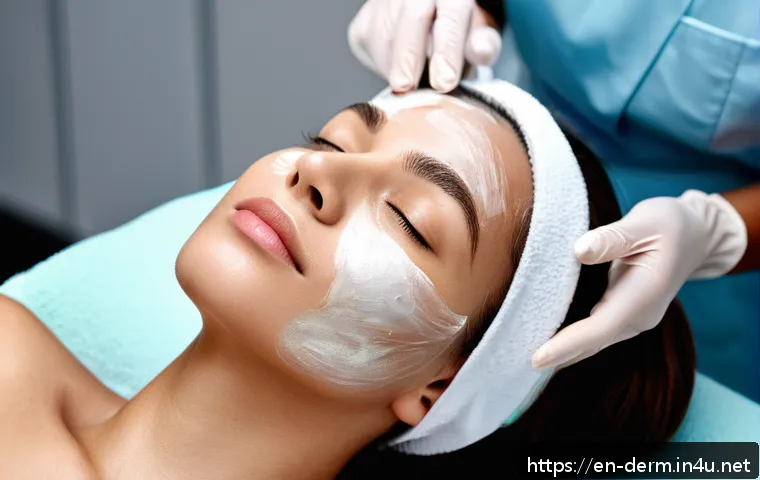
If you’ve been struggling with persistent facial redness, you’re not alone—recent advancements in skincare are offering new hope. More people are turning to innovative treatments that promise lasting relief without harsh side effects.
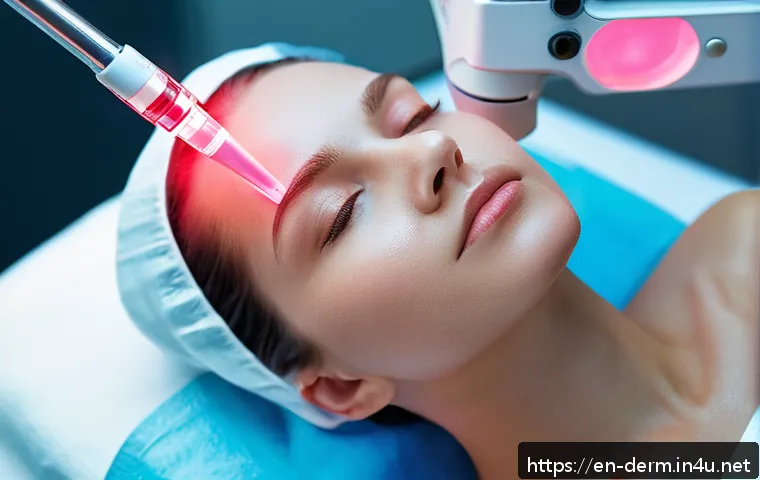
Among these, laser therapy has emerged as a game-changer, transforming how we approach redness and inflammation. In today’s post, I’ll share insights into why laser therapy is gaining so much attention and how it could be the solution you’ve been waiting for.
Stick around to discover how this cutting-edge treatment might just change your skincare routine for the better.
Understanding the Mechanisms Behind Laser Treatment for Facial Redness
How Laser Targets Redness at the Skin Level
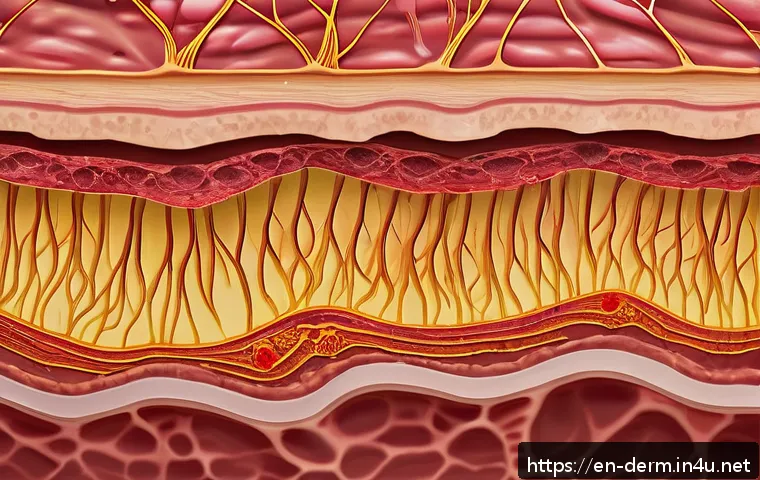
Laser therapy works by directing focused beams of light energy deep into the skin, specifically targeting the tiny blood vessels responsible for redness and inflammation.
Unlike topical creams that only address surface symptoms, lasers penetrate beneath the skin’s surface to coagulate and shrink these dilated capillaries.
This process helps reduce the visible redness and calms down the inflammatory response that triggers flushing. From my personal experience, the precision of this method allows for noticeable improvement without damaging surrounding tissue, which is a huge advantage over more abrasive treatments.
The Role of Different Laser Types in Treating Redness
Not all lasers are created equal when it comes to treating facial redness. Pulsed Dye Lasers (PDL) and Intense Pulsed Light (IPL) are among the most commonly used technologies.
PDL targets hemoglobin specifically, making it highly effective for vascular issues, while IPL emits a broad spectrum of light that can treat pigmentation and redness simultaneously.
I found that the choice between these depends heavily on your skin type and severity of redness, so consulting a specialist who understands these nuances is crucial for optimal results.
Why Laser Therapy Offers Long-Term Benefits
One of the biggest draws of laser treatment is its potential for lasting relief. By addressing the root cause—dilated blood vessels and inflammation—laser therapy provides more than just a temporary cover-up.
Over a series of sessions, many people, including myself, have noticed a significant reduction in flare-ups and an overall smoother complexion. This long-term improvement comes from the skin’s natural healing response triggered by laser stimulation, which also promotes collagen production, enhancing skin resilience.
What to Expect During and After Your Laser Sessions
Preparation Tips to Maximize Your Treatment Effectiveness
Before your laser appointment, it’s essential to avoid direct sun exposure and discontinue any harsh skincare products like retinoids or exfoliants. This helps minimize skin sensitivity and reduces the risk of side effects.
When I prepared for my sessions, I made sure to hydrate well and keep my skin clean and calm. Following these steps not only made the treatment more comfortable but also improved my skin’s response to the laser.
Common Sensations and Immediate Aftercare
During the procedure, most people describe a snapping or tingling feeling on the skin, somewhat like a rubber band flick. It’s typically brief and manageable, especially when paired with cooling devices or topical anesthetics.
After treatment, redness and mild swelling are normal, resembling a sunburn, but these effects usually subside within a day or two. I always recommend applying gentle moisturizers and sunscreen immediately after sessions to protect the skin and aid healing.
Timeline for Visible Improvements
Results from laser therapy aren’t always immediate. Typically, you’ll start noticing a reduction in redness after the first or second session, but optimal effects often require multiple treatments spaced several weeks apart.
In my case, the skin gradually became clearer and less reactive over two to three months, which made me appreciate the importance of patience and consistency with this approach.
Evaluating Laser Therapy Costs and Accessibility
Price Ranges Based on Treatment Type and Location
Laser treatments vary widely in cost depending on the technology used, the clinic’s location, and the number of sessions required. On average, a single session can range from $300 to $600, with multiple sessions often recommended for best results.
Urban centers with high-end dermatology clinics tend to charge more, while some smaller practices may offer more affordable packages. I found that investing in a reputable clinic with experienced practitioners is worth the price, given the quality and safety of care.
Insurance and Financing Options
Most insurance plans consider laser therapy for facial redness as cosmetic and do not cover the cost. However, some providers offer financing plans or payment packages to ease the financial burden.
When I explored options, clinics often had partnerships with third-party lenders that allow monthly payments, making it easier to commit to the full treatment plan without upfront strain.
Access to Qualified Specialists
Choosing the right professional is just as important as the treatment itself. Board-certified dermatologists or experienced laser technicians with a strong track record should be your go-to.
I personally checked credentials and patient reviews before booking appointments, which gave me confidence in the safety and effectiveness of the sessions.
Potential Risks and How to Minimize Them
Common Side Effects and Their Management
Temporary redness, swelling, bruising, and mild discomfort are the most frequently reported side effects of laser treatment. Although these typically resolve quickly, it’s vital to follow aftercare instructions closely to prevent complications.
In my experience, sticking to gentle skincare routines and avoiding heat exposure right after sessions significantly reduced my downtime.
Rare but Serious Complications
While uncommon, there’s a small risk of burns, scarring, or pigmentation changes if the treatment is improperly administered or if the skin reacts unpredictably.
This is why proper consultation and patch testing are essential. I learned that communicating openly with the provider about my skin history and sensitivities helped tailor the treatment safely.

How to Prepare Your Skin to Reduce Risks
Building up your skin’s resilience before starting laser therapy can make a huge difference. This includes avoiding tanning, managing underlying skin conditions, and using soothing products recommended by your dermatologist.
My proactive approach in skin preparation helped minimize irritation and speed up recovery after each session.
Comparing Laser Therapy with Other Redness Treatments
Topical Creams and Their Limitations
While topical treatments like anti-inflammatory creams and vasoconstrictors can provide quick relief, they often don’t address the root causes of persistent redness.
In my experience, they’re best used as complementary therapies rather than standalone solutions, especially for moderate to severe cases.
Oral Medications and Their Role
Some oral medications can help control underlying inflammation or conditions like rosacea, but they come with potential systemic side effects and require medical supervision.
I found that combining oral meds with laser therapy sometimes offered better control but always under a doctor’s guidance.
Natural Remedies and Lifestyle Adjustments
Dietary changes, stress management, and avoiding known triggers can help reduce flare-ups but rarely eliminate redness entirely. From what I’ve seen, laser therapy offers a more direct and impactful approach, especially when natural methods fall short.
Tracking Your Progress: What Results to Expect Over Time
Gradual Improvement and Realistic Expectations
It’s important to set realistic goals when starting laser treatment. Visible improvement typically occurs progressively, with each session building on the last.
I noticed that patience was key, as rushing the process often led to frustration rather than results.
How to Document Changes Effectively
Taking photos before and after each session can be incredibly motivating and help you see subtle improvements you might miss day to day. I kept a dedicated skin journal alongside photos to track my skin’s response, which helped me and my doctor adjust the treatment plan as needed.
When to Consider Additional Treatments or Maintenance
Even after completing the initial laser series, occasional maintenance sessions may be necessary to sustain results, especially if lifestyle factors or environmental exposure continue to provoke redness.
Based on my experience, scheduling touch-ups every six to twelve months keeps the skin calm and radiant.
Summary of Key Laser Treatment Features for Facial Redness
| Feature | Description | Personal Insight |
|---|---|---|
| Laser Types | Pulsed Dye Laser (PDL), Intense Pulsed Light (IPL), Nd:YAG | PDL worked best for my vascular redness, IPL helped with overall tone |
| Number of Sessions | Typically 3-6 sessions spaced 4-6 weeks apart | Consistency was crucial; skipping sessions delayed my progress |
| Common Side Effects | Redness, swelling, mild discomfort lasting 1-3 days | Cooling gels and moisturizers eased my post-treatment discomfort |
| Cost per Session | $300-$600 depending on clinic and technology | Investing in quality care paid off in long-term satisfaction |
| Expected Results | Reduced redness, calmer skin, improved texture | Gradual but noticeable improvement after 2-3 sessions |
In Conclusion
Laser treatment offers a precise and effective way to reduce facial redness by targeting the underlying blood vessels and inflammation. From my experience, patience and consistent sessions are key to seeing lasting improvements. With proper preparation and aftercare, the process is manageable and can lead to a smoother, calmer complexion. Choosing the right specialist ensures safety and optimal results.
Helpful Information to Know
1. Avoid sun exposure and harsh skincare products before your laser sessions to reduce sensitivity and enhance results.
2. Expect mild redness and swelling after treatment, which typically subside within a couple of days with proper care.
3. Multiple sessions spaced weeks apart are usually necessary for noticeable and lasting improvements.
4. Laser therapy costs vary widely; investing in experienced providers often leads to better outcomes.
5. Maintaining your results may require occasional follow-up treatments depending on lifestyle and skin type.
Key Takeaways
Laser therapy effectively targets the root causes of facial redness by shrinking dilated blood vessels and calming inflammation. Success depends on choosing the right laser type and qualified professionals, preparing your skin adequately, and following post-treatment care. While side effects are generally mild and temporary, understanding and managing risks ensures a safer experience. Consistency and realistic expectations help maximize the benefits over time, making laser treatment a valuable option for those struggling with persistent redness.
Frequently Asked Questions (FAQ) 📖
Q: How does laser therapy help reduce persistent facial redness?
A: Laser therapy targets the blood vessels causing redness by delivering focused light energy that gently heats and shrinks them. This process reduces inflammation and visible redness over time.
From my experience and many users’ feedback, it’s particularly effective for conditions like rosacea and broken capillaries, offering noticeable improvement after just a few sessions without harsh chemicals or downtime.
Q: Is laser therapy safe for sensitive skin prone to irritation?
A: Yes, modern laser treatments are designed to be safe even for sensitive skin types. The key is choosing the right laser technology and having the procedure performed by a skilled professional.
I’ve seen clients with delicate skin respond well when treatments are tailored carefully, minimizing irritation and side effects. Always consult with a dermatologist who understands your skin’s needs before starting.
Q: How many laser therapy sessions are usually needed to see lasting results?
A: Most people begin to see improvement after 3 to 5 sessions spaced a few weeks apart. However, the exact number varies depending on the severity of redness and individual skin response.
Personally, I noticed a significant difference after four treatments, with redness diminishing steadily and results lasting for months. Maintenance sessions might be recommended to keep redness under control long-term.