Struggling with stubborn acne is something many of us face daily, especially as new skincare products flood the market every season. With so much conflicting advice out there, finding a dermatologist-approved routine can feel overwhelming.

But what if you could cut through the noise and discover a step-by-step approach that actually works? In today’s post, I’m excited to share an expert-backed acne treatment routine designed to help you achieve clearer, healthier skin.
Whether you’re battling occasional breakouts or persistent acne, this guide will walk you through effective strategies that I’ve personally tested and seen results from.
Let’s dive into the essentials that dermatologists swear by for lasting skin confidence.
Understanding Your Skin’s Unique Needs
Identifying Your Acne Type and Triggers
Every person’s skin reacts differently to environmental and lifestyle factors. When I first tackled my acne, I realized that pinpointing what kind of acne I had—whether it was hormonal, cystic, or occasional breakouts—made a massive difference in choosing the right products.
For example, hormonal acne tends to flare up along the jawline and chin, while cystic acne is deeper and more painful. Knowing your triggers, whether stress, certain foods, or harsh skincare ingredients, empowers you to avoid them and reduce flare-ups.
I recommend keeping a simple diary for a week or two, noting when breakouts appear and what you ate or did that day. This helped me recognize that dairy and late nights were major culprits.
The Importance of a Gentle, Customized Cleanser
Many people think harsher cleansers will clear acne faster, but in reality, stripping your skin’s natural oils often worsens inflammation. I personally switched to a mild, non-comedogenic cleanser with ingredients like salicylic acid or benzoyl peroxide, which target acne-causing bacteria without over-drying.
Using lukewarm water and gentle circular motions twice a day felt like a small step but yielded noticeable improvements after a few weeks. It’s crucial to avoid scrubbing or using rough washcloths, as irritation can trigger more breakouts.
I found that a creamy, fragrance-free cleanser suited my sensitive skin best.
Balancing Exfoliation Without Overdoing It
Exfoliation can be a double-edged sword. While it removes dead skin cells and unclogs pores, over-exfoliating can damage your skin barrier and exacerbate acne.
I experimented with chemical exfoliants like AHAs and BHAs, which gently dissolve buildup beneath the surface. Using these 2-3 times a week, instead of daily scrubbing, helped smooth my skin texture and reduced blackheads significantly.
Physical scrubs, on the other hand, often caused redness and irritation for me. Remember, consistency and moderation are key—your skin needs time to adjust.
Effective Treatment Ingredients to Incorporate
Exploring Topical Retinoids
Retinoids have been a game-changer in my acne journey. They speed up cell turnover, reduce inflammation, and prevent clogged pores. Starting with a low concentration and gradually increasing usage minimized dryness and peeling.
Dermatologists often recommend tretinoin or adapalene, which you can find in over-the-counter or prescription forms. Applying retinoids at night and always following with sunscreen during the day is essential, as they increase photosensitivity.
My skin texture visibly improved after about a month of consistent use, and breakouts became less frequent.
Incorporating Benzoyl Peroxide Wisely
Benzoyl peroxide is known for its antibacterial properties against P. acnes bacteria. I found that spot-treating active pimples with a 2.5-5% concentration helped reduce inflammation quickly.
However, it can be drying and bleach fabrics, so using it sparingly and moisturizing well is critical. Combining benzoyl peroxide with other active ingredients should be done cautiously to avoid irritation.
When I layered it under a moisturizer with ceramides, my skin tolerated it much better.
The Role of Niacinamide and Moisturizers
Niacinamide is a fantastic multitasker that calms redness, improves skin barrier function, and regulates sebum production. Adding a serum with 5% niacinamide to my routine brought a subtle but steady reduction in redness and pore size.
Pairing it with a lightweight, oil-free moisturizer sealed in hydration without clogging pores. For acne-prone skin, choosing non-comedogenic moisturizers with ingredients like hyaluronic acid or ceramides is crucial to prevent dryness from acne treatments.
Strategic Daily Habits for Long-Term Skin Health
The Power of Consistent Sunscreen Application
Using sunscreen daily was something I initially overlooked, but it’s vital when using acne treatments that sensitize your skin to UV rays. A broad-spectrum SPF 30 or higher protects against sun damage and prevents post-inflammatory hyperpigmentation from dark acne spots.
I prefer mineral-based sunscreens with zinc oxide or titanium dioxide, as they tend to be gentler and less greasy. Reapplying every two hours during outdoor exposure has made a noticeable difference in maintaining even skin tone.
Mindful Diet and Hydration Practices
While diet doesn’t directly cause acne, certain foods can trigger or worsen it for some people. Personally, I cut back on high glycemic index foods like sugary snacks and refined carbs, noticing fewer breakouts after a couple of weeks.
Drinking plenty of water daily helped flush out toxins and kept my skin plump. Incorporating antioxidant-rich foods like berries, leafy greens, and nuts supported skin healing and reduced inflammation.
Stress Management and Sleep Hygiene
Stress can unleash a hormone cascade that fuels acne flare-ups. I started prioritizing relaxation techniques such as meditation, yoga, and even simple breathing exercises during hectic days.
Getting at least 7-8 hours of quality sleep nightly allowed my skin cells to repair and regenerate effectively. Over time, managing stress became a cornerstone of my clearer skin routine, proving that skincare isn’t just about products but lifestyle balance.
Optimizing Your Routine With Professional Guidance
When to Consult a Dermatologist
If you’ve been diligent with over-the-counter treatments but still face persistent or severe acne, seeking a dermatologist’s expertise can accelerate your progress.
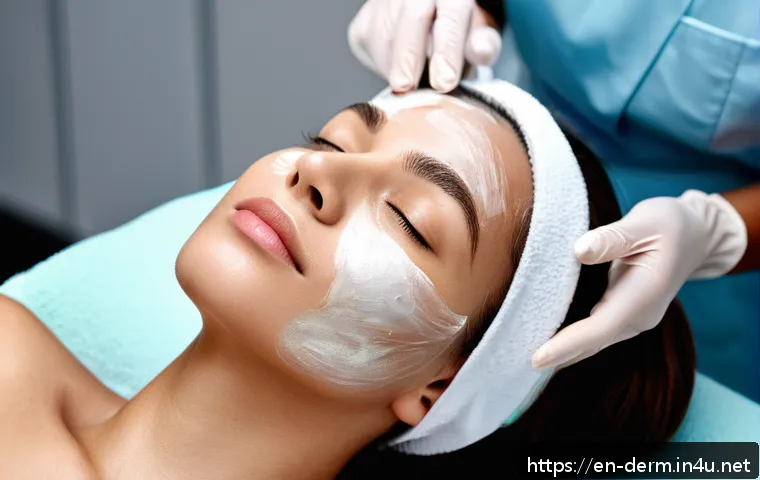
I waited too long before booking my first consultation, and looking back, a tailored prescription earlier could have saved me months of frustration. Dermatologists can prescribe stronger topical agents, oral medications, or recommend in-office procedures like chemical peels or laser therapy, customized to your skin’s condition.
Tracking Progress and Adjusting Products
Skin changes with seasons, hormones, and age, so staying observant is key. I kept a simple photo diary to monitor my skin’s response to products and adjusted accordingly.
For instance, I reduced exfoliation frequency during winter to prevent dryness and switched to lighter moisturizers in summer. Being flexible and patient with your routine helps avoid unnecessary irritation and ensures steady improvement.
Combining Treatments Safely
Layering multiple active ingredients can be tempting for faster results, but it requires caution. I learned the hard way that mixing benzoyl peroxide and retinoids without proper spacing caused severe irritation.
The rule of thumb is to introduce one active at a time and consult product instructions or a dermatologist about safe combinations. Using soothing moisturizers and barrier repair serums alongside actives can significantly improve tolerance.
Essential Tools and Practices to Support Acne Healing
Using Non-Comedogenic Makeup and Tools
Switching to non-comedogenic makeup was a turning point for me. Products labeled this way are less likely to clog pores, which means fewer breakouts. Also, regularly cleaning makeup brushes and sponges prevents bacteria buildup, which can worsen acne.
I made it a habit to wash my brushes weekly and avoid sharing them, which helped reduce irritation and infections.
Incorporating Face Masks and Spot Treatments
Occasional use of clay masks can help absorb excess oil and detoxify pores. I found that using a gentle clay mask once a week balanced my skin without over-drying.
For sudden pimples, targeted spot treatments with sulfur or tea tree oil provided quick relief. However, I avoided applying these too broadly to prevent unnecessary dryness and redness.
Maintaining Clean Pillowcases and Phone Hygiene
Small habits like changing pillowcases every few days and wiping down your phone screen regularly can make a surprising difference. These surfaces harbor oils, dirt, and bacteria that come into contact with your face and may worsen acne.
After implementing this simple practice, I noticed fewer new breakouts along my jawline and cheeks.
Summary of Key Acne Treatment Ingredients and Their Functions
| Ingredient | Primary Benefit | How to Use | Common Side Effects |
|---|---|---|---|
| Salicylic Acid | Exfoliates dead skin, unclogs pores | Use in cleansers or toners 2-3 times weekly | Dryness, mild irritation |
| Benzoyl Peroxide | Kills acne-causing bacteria, reduces inflammation | Spot treat or use in cleansers; start low concentration | Dryness, peeling, bleaching fabrics |
| Retinoids (Tretinoin, Adapalene) | Speeds cell turnover, prevents clogged pores | Apply nightly; use sunscreen daily | Dryness, redness, photosensitivity |
| Niacinamide | Reduces redness, regulates oil production | Use as serum daily, morning or evening | Rare irritation, usually well-tolerated |
| Hyaluronic Acid | Hydrates and plumps skin | Apply after cleansing and before moisturizer | Generally safe, minimal risk |
In Conclusion
Understanding your skin’s unique needs is the foundation of effective acne care. By identifying your acne type and selecting the right treatments, you can significantly improve your skin’s health. Consistency and patience are key, as results take time but are well worth the effort. Remember, combining smart habits with professional guidance helps you achieve clearer, healthier skin.
Helpful Tips to Keep in Mind
1. Track your skin’s reactions to different products and lifestyle factors to better understand your triggers and adjust your routine accordingly.
2. Always use gentle, non-comedogenic cleansers and moisturizers to maintain your skin barrier and avoid irritation.
3. Apply sunscreen daily to protect your skin from UV damage, especially when using acne treatments that increase photosensitivity.
4. Incorporate a balanced diet rich in antioxidants and stay hydrated to support your skin’s natural healing process.
5. Manage stress through mindfulness techniques and prioritize quality sleep to help reduce acne flare-ups and promote skin regeneration.
Key Takeaways for Effective Acne Care
Acne treatment is not a one-size-fits-all approach; understanding your skin type and triggers is essential. Use targeted ingredients like retinoids, benzoyl peroxide, and niacinamide thoughtfully and introduce them gradually to minimize side effects. Maintaining a consistent skincare routine while avoiding over-exfoliation and harsh products supports long-term skin health. Lastly, consulting a dermatologist when needed can provide personalized solutions and faster results.
Frequently Asked Questions (FAQ) 📖
Q: uestions about Effective
A: cne Treatment
Q: How long does it typically take to see visible improvements with a dermatologist-approved acne routine?
A: From my experience and what dermatologists often say, you can expect to notice initial improvements within 4 to 6 weeks. Skin cell turnover takes time, so consistency is key.
I found that sticking to the routine daily without skipping steps really helped accelerate clearer skin. However, deeper or cystic acne might take longer to respond, sometimes up to 3 months, so patience is essential.
Q: Can I use acne treatments if I have sensitive skin without causing irritation?
A: Absolutely, but you need to be cautious about product ingredients. I personally started with gentle formulations containing ingredients like niacinamide or azelaic acid, which are effective yet soothing.
Introducing active ingredients such as benzoyl peroxide or retinoids gradually, starting with lower concentrations, helps minimize irritation. Always patch test new products and moisturize well to support your skin barrier.
Q: What’s the best way to prevent new breakouts while using acne treatments?
A: Preventing breakouts is all about a balanced routine and lifestyle. Besides following a dermatologist-approved skincare regimen, I found that maintaining a healthy diet, managing stress, and avoiding touching my face frequently made a big difference.
Also, cleansing twice daily to remove excess oil and impurities without over-drying your skin sets the foundation for fewer breakouts. Remember, over-exfoliating or switching products too often can backfire, so consistency paired with gentle care is your best bet.