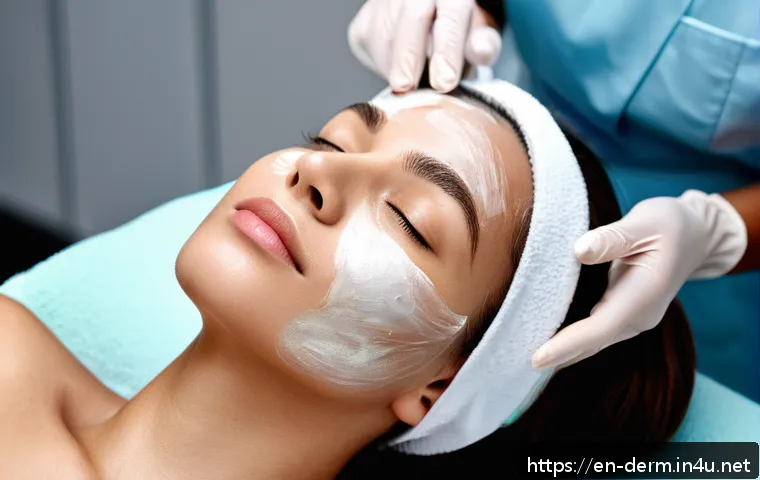
Lately, dark spots and hyperpigmentation have become hot topics in the skincare community, especially as more people seek effective solutions amid rising concerns about skin health and appearance.

If you’ve been struggling to even out your complexion, you’re not alone—many are turning to dermatologist-approved products that truly deliver results.
In this post, I’ll share some of the top skincare gems that experts swear by to fade stubborn discoloration. Whether you’re dealing with sun damage or post-acne marks, these tried-and-tested options could be game-changers for your routine.
Stick around to discover what works, backed by real science and firsthand experience.
Understanding Ingredients That Brighten and Balance Skin Tone
Vitamin C: The Brightening Powerhouse
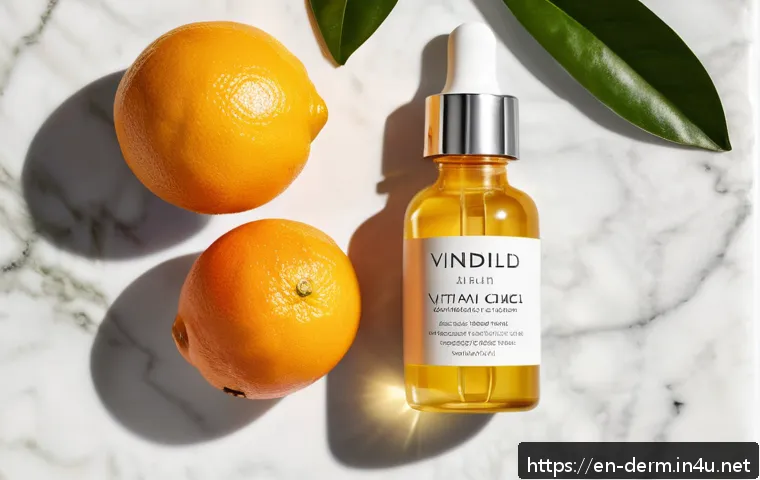
Vitamin C remains one of the most beloved ingredients when it comes to fading dark spots and evening out skin tone. From my personal experience, incorporating a stable vitamin C serum into my morning routine made a noticeable difference within just a few weeks.
It works by inhibiting melanin production, which is the pigment responsible for those stubborn discolorations. The best part? It also doubles as an antioxidant, protecting your skin from environmental stressors like pollution and UV rays.
When shopping, look for formulations with L-ascorbic acid at concentrations between 10% to 20% for effective results without overwhelming sensitive skin.
Niacinamide: The Soothing Skin Equalizer
Niacinamide, or vitamin B3, has gained huge popularity because of its ability to calm inflammation and reduce hyperpigmentation. What I appreciate most is its versatility—whether you have oily, dry, or combination skin, niacinamide tends to play well with other actives and is gentle enough for daily use.
It boosts the skin barrier function, which in turn helps prevent further discoloration caused by irritation or environmental damage. Consistent use can help fade post-inflammatory hyperpigmentation, especially after acne breakouts, making it a must-have in many dermatologist-recommended routines.
Alpha Hydroxy Acids (AHAs): Gentle Exfoliation for Radiance
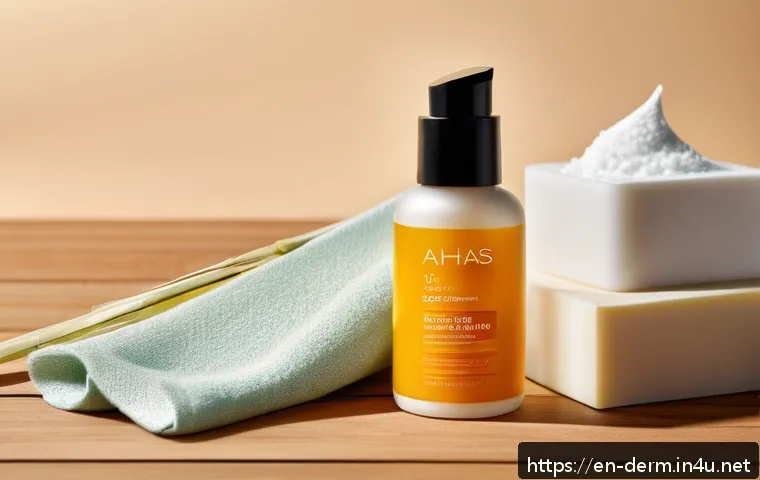
AHAs like glycolic acid and lactic acid are chemical exfoliants that help slough off dead skin cells, revealing fresher, more evenly toned skin underneath.
I found that using an AHA product a couple of times a week noticeably smoothed my skin texture and helped lighten dark spots without harsh scrubbing. AHAs also stimulate collagen production, which can improve skin firmness and reduce the appearance of fine lines—bonus benefits when you’re aiming for radiant skin.
Just remember to apply sunscreen diligently, as AHAs can increase photosensitivity.
Targeted Treatments for Stubborn Dark Spots and Uneven Pigmentation
Hydroquinone: The Gold Standard, Used Wisely
Hydroquinone has long been recognized as a potent skin-lightening agent, often prescribed by dermatologists for severe hyperpigmentation. From what I’ve learned and seen in clinical settings, it works by inhibiting tyrosinase, the enzyme responsible for melanin synthesis.
While highly effective, it’s crucial to use hydroquinone under professional guidance because prolonged use or misuse can lead to side effects like ochronosis or irritation.
It’s usually recommended for short-term use, paired with strict sun protection, to achieve the best results safely.
Azelaic Acid: A Multifunctional Approach
Azelaic acid is a lesser-known but powerful ingredient that addresses multiple skin concerns simultaneously. It lightens dark spots, reduces redness, and fights acne-causing bacteria.
I’ve found it especially beneficial for sensitive skin types who can’t tolerate stronger acids or hydroquinone. It’s also a favorite among dermatologists because of its anti-inflammatory properties and ability to even out skin tone without excessive irritation.
Regular application can lead to gradual but steady improvement in discoloration and overall skin clarity.
Retinoids: Cellular Turnover Champions
Retinoids, including retinol and tretinoin, accelerate skin cell turnover, which helps fade dark spots over time by replacing pigmented cells with fresh new ones.
My firsthand experience with retinol showed that patience is key—it can take several weeks before visible changes appear, but the long-term payoff is worth it.
Besides targeting pigmentation, retinoids improve skin texture, minimize pores, and boost collagen, making them a powerhouse ingredient for comprehensive skin rejuvenation.
It’s best to introduce retinoids gradually and always pair them with moisturizing products to minimize dryness.
Optimizing Your Routine for Maximum Pigmentation Control
Layering Actives Without Overloading
One of the trickiest parts of treating dark spots is figuring out how to combine multiple active ingredients without causing irritation. From my trial and error, I learned that layering vitamin C in the morning and retinoids at night works well.
Niacinamide can be used both morning and evening to soothe the skin. AHAs and exfoliants should be spaced out, not used daily, to avoid stripping the skin’s natural barrier.
Introducing new products one at a time and observing your skin’s reaction helps prevent flare-ups and keeps your routine balanced.
Sun Protection: The Non-Negotiable Step
No matter which treatments you use, sun protection is absolutely essential. UV exposure not only worsens existing pigmentation but can also trigger new dark spots.
I can’t stress enough how much applying a broad-spectrum sunscreen with at least SPF 30 daily has supported my skin’s healing process. Physical blockers containing zinc oxide or titanium dioxide tend to be gentle and effective, especially if you’re using photosensitizing ingredients like AHAs or retinoids.
Reapplying sunscreen every two hours when outdoors is a habit that makes a huge difference in preventing pigmentation relapse.
Consistency and Patience: The True Keys to Success
Fading dark spots is rarely an overnight fix. From personal experience and countless conversations with skincare professionals, the key lies in consistent use of targeted products combined with sun protection.
It might take several weeks to months to see significant improvement, so it’s important to set realistic expectations and stick with your routine. Keeping a journal or taking before-and-after photos can help track progress and motivate you to stay on course, especially during those moments when results seem slow.
Comparing Popular Ingredients: Effectiveness and Suitability
| Ingredient | Best For | Key Benefits | Potential Side Effects | Recommended Usage |
|---|---|---|---|---|
| Vitamin C | All skin types, dullness, sun damage | Brightens skin, antioxidant protection | Mild irritation for sensitive skin | Daily, morning |
| Niacinamide | All skin types, sensitive, acne-prone | Reduces inflammation, strengthens barrier | Rare irritation | Daily, morning and/or evening |
| AHAs (Glycolic/Lactic Acid) | Normal to dry skin, texture issues | Exfoliates, improves texture and tone | Photosensitivity, dryness | 1-3 times weekly, evening |
| Hydroquinone | Severe hyperpigmentation | Powerful melanin inhibition | Possible irritation, ochronosis if misused | Short-term, under dermatologist supervision |
| Azelaic Acid | Sensitive, acne-prone, rosacea-prone skin | Lightens spots, anti-inflammatory | Mild irritation | Daily, morning and/or evening |
| Retinoids | Aging, uneven tone, acne | Boosts cell turnover, collagen synthesis | Dryness, irritation, photosensitivity | Start slow, nightly |
Incorporating Lifestyle Habits for Lasting Skin Clarity
Diet and Hydration
While topical products play a pivotal role, what you eat and drink can influence skin health too. I noticed that increasing my intake of antioxidant-rich foods like berries, leafy greens, and nuts helped support my skin’s natural repair processes.
Staying well-hydrated also keeps the skin plump and enhances barrier function, which can reduce the appearance of pigmentation over time.
Stress Management and Sleep Quality
Chronic stress and poor sleep can worsen skin inflammation and trigger pigmentation issues. Personally, practicing mindfulness, yoga, or even simple breathing exercises has helped me manage stress levels.
Prioritizing 7 to 8 hours of quality sleep nightly allows the skin to regenerate effectively, making your pigmentation treatments more effective.
Regular Dermatologist Check-Ins
No matter how dedicated you are to your routine, consulting a dermatologist regularly ensures your approach remains safe and effective. They can provide tailored advice, prescribe stronger treatments if needed, and monitor your skin’s response.
I found these check-ins invaluable, especially when introducing potent ingredients like hydroquinone or prescription retinoids into my regimen.
In Conclusion
Achieving a balanced and radiant skin tone is a journey that combines the right ingredients, consistent care, and mindful lifestyle habits. From brightening antioxidants to gentle exfoliants and targeted treatments, understanding how each element works empowers you to make informed choices. Remember, patience and sun protection are your best allies in this process. With dedication, your skin can reveal its natural clarity and glow over time.
Helpful Tips to Remember
1. Always introduce new skincare products gradually to monitor how your skin reacts and avoid irritation.
2. Use sunscreen daily and reapply every two hours when outdoors to protect your skin from pigmentation triggers.
3. Keep your skincare routine balanced by spacing exfoliants and active ingredients appropriately.
4. Support your skin’s health from within by maintaining a diet rich in antioxidants and staying hydrated.
5. Schedule regular dermatologist visits to personalize your treatment and ensure safe use of potent ingredients.
Key Takeaways
Consistent use of effective brightening and balancing ingredients, combined with diligent sun protection, forms the foundation of managing uneven pigmentation. Understanding each product’s role and potential side effects helps maintain skin health without overloading. Incorporating healthy lifestyle habits and professional guidance enhances results and supports long-term skin clarity. Patience is essential—skin improvements happen gradually but are worth the commitment.
Frequently Asked Questions (FAQ) 📖
Q: uestions about Dark Spots and HyperpigmentationQ1: What causes dark spots and hyperpigmentation on the skin?
A: Dark spots and hyperpigmentation usually occur due to an excess production of melanin, the pigment responsible for skin color. Common triggers include prolonged sun exposure without protection, inflammation from acne or injuries, hormonal changes like pregnancy, and certain medications.
Understanding the root cause helps in choosing the right treatment to effectively fade these spots.
Q: How long does it typically take to see results from products targeting hyperpigmentation?
A: Results vary depending on the product’s active ingredients and your skin type, but generally, it takes around 4 to 12 weeks of consistent use to notice visible improvement.
Ingredients like vitamin C, niacinamide, and alpha arbutin work gradually by inhibiting melanin production, so patience and daily application are key.
In my experience, combining these with diligent sunscreen use accelerates the fading process significantly.
Q: Can I use dark spot treatments alongside other skincare products?
A: Yes, but you should be mindful of ingredient compatibility to avoid irritation. For example, acids like glycolic acid and retinoids can boost exfoliation and pigment turnover but might cause sensitivity if layered incorrectly.
I recommend introducing one active ingredient at a time and always following up with a broad-spectrum sunscreen. Consulting with a dermatologist can also help tailor a safe and effective routine based on your unique skin needs.