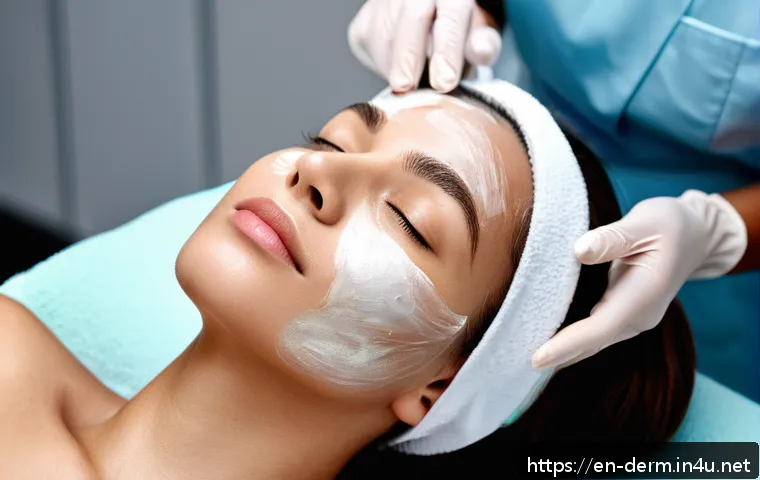
Hey there, skincare lovers! With the buzz around glowing, healthy skin never fading, it’s the perfect time to dive into how gentle exfoliation can transform your complexion.
As we all strive to reveal that radiant glow, understanding the art of removing dead skin without irritation has become a game-changer. I’ve tried countless methods and found some real gems that not only refresh your skin but also boost confidence.
Stick around, because these expert tips will help you unlock your skin’s natural brilliance while keeping it calm and nourished. Ready to glow from within?
Let’s get started!
Understanding the Basics of Gentle Exfoliation
Why Gentle Exfoliation Matters More Than Ever
Exfoliation often gets a bad rap because people associate it with harsh scrubbing or irritation. But gentle exfoliation is a totally different story. It’s about softly removing dead skin cells to reveal the fresh, glowing skin underneath without causing redness or sensitivity.
From my experience, skipping this step or using aggressive exfoliants can leave your skin looking dull and feeling tight. Gentle exfoliation, on the other hand, encourages natural skin renewal and helps products absorb better.
It’s like giving your skin a little reset button without the drama.
Choosing the Right Type of Exfoliant for Sensitive Skin
Not all exfoliants are created equal. There are physical exfoliants like sugar scrubs or brushes, and chemical exfoliants like AHAs (glycolic acid) or BHAs (salicylic acid).
For sensitive or reactive skin, chemical exfoliants tend to be more effective and less abrasive when used correctly. I personally found that starting with a mild AHA product a couple of times a week helped my skin gently shed dead cells without irritation.
Always patch test first and introduce exfoliants slowly to avoid over-exfoliation.
How Often Should You Exfoliate Without Overdoing It?
A lot of people think exfoliating daily is the secret to glowing skin, but that can actually backfire. From my own trial and error, exfoliating 2-3 times a week is the sweet spot for most skin types, especially if you’re using chemical exfoliants.
This frequency allows your skin to breathe and renew naturally without stripping away essential oils. On days when you don’t exfoliate, focus on hydration and barrier repair to keep your skin balanced and happy.
Incorporating Exfoliation Into Your Skincare Routine
Layering Products for Maximum Benefits
Integrating exfoliation into your routine is all about timing. After cleansing, applying a gentle exfoliant before serums and moisturizers helps remove the layer of dead skin that can block absorption.
I usually apply my exfoliating toner or serum right after washing my face and before heavier creams. This sequence ensures that my skin drinks up every nutrient from my products, making them more effective.
Pairing Exfoliation with Hydration and Sun Protection
Exfoliation can leave your skin slightly more vulnerable, so pairing it with proper hydration and sun protection is crucial. I noticed that after exfoliating, my skin felt a bit more delicate, so I always follow up with a rich moisturizer and a broad-spectrum SPF.
This combo not only soothes the skin but also prevents UV damage, which is especially important because exfoliated skin is more prone to sun sensitivity.
Signs You’re Exfoliating Too Much or Too Little
It took me a while to recognize when I was overdoing exfoliation. If your skin looks red, flaky, or feels tight and uncomfortable, it’s a clear sign to scale back.
Conversely, if your skin feels rough or dull, you might not be exfoliating enough. Finding the balance is key, and listening to your skin’s signals will guide you better than any rulebook.
Natural Alternatives for Soothing Exfoliation
Using Enzymatic Exfoliants from Fruits
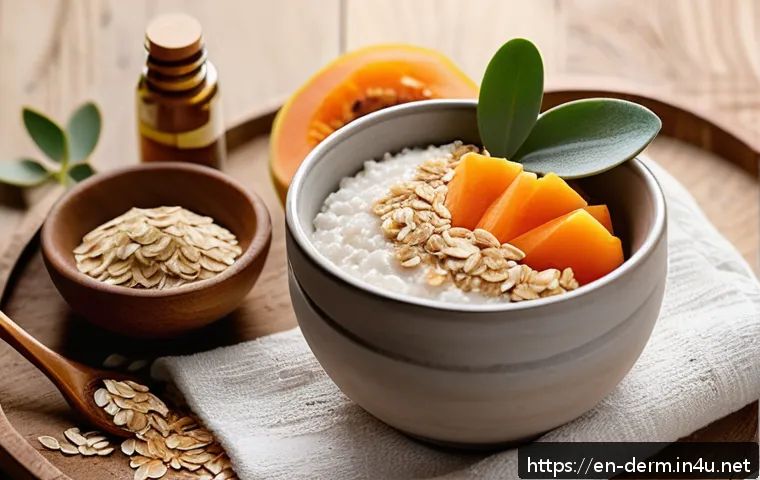
Nature offers some fantastic gentle exfoliants like papaya and pineapple enzymes. These fruit enzymes work by dissolving dead skin cells without the need for scrubbing.
I once tried a papaya enzyme mask, and it left my skin feeling incredibly soft and refreshed. The best part is these natural exfoliants are usually less irritating, making them ideal for sensitive or dry skin types.
Homemade Gentle Scrubs You Can Try
If you’re into DIY, creating your own gentle scrub with ingredients like oatmeal and honey can be a game-changer. Oatmeal acts as a soothing exfoliant, while honey adds moisture and antibacterial properties.
I mixed these together into a paste and used it once a week for a calming, nourishing exfoliation that didn’t leave my skin red or raw.
Why Natural Doesn’t Always Mean Gentle
It’s important to remember that natural ingredients can still cause irritation if overused or if you have allergies. For example, citrus-based scrubs might feel refreshing but can increase photosensitivity.
I learned the hard way that patch testing natural products is just as important as with chemical ones. Always start slow and observe how your skin reacts.
How to Recognize Quality Exfoliating Products
Reading Labels and Ingredient Lists
When shopping for exfoliants, I make it a habit to scan ingredient lists carefully. Look for gentle acids like lactic acid or mandelic acid, which are less irritating compared to stronger glycolic acid.
Avoid products with large, harsh physical particles like walnut shells that can cause micro-tears. Instead, opt for fine, biodegradable beads or enzyme-based exfoliants.
Trusted Brands That Prioritize Skin Health
Through trial and error, I’ve found that brands focusing on dermatologically tested, fragrance-free formulas tend to deliver better results without irritation.
Some brands even formulate products specifically for sensitive skin with added calming ingredients like ceramides and aloe vera. Investing in these reliable brands might cost a little more, but your skin will thank you by looking healthier and happier.

Price vs. Performance: What’s Worth Your Money?
Exfoliating products vary widely in price, but expensive doesn’t always mean better. I’ve tried affordable options that worked beautifully alongside higher-end products.
The key is to pay attention to ingredient quality and how your skin responds. Sometimes, layering a simple exfoliant with your favorite moisturizer can outperform pricier, complicated formulas.
Creating a Personalized Exfoliation Schedule
Assessing Your Skin Type and Needs
Everyone’s skin is unique, so tailoring your exfoliation routine is essential. If you have oily or acne-prone skin, more frequent exfoliation with BHA can help unclog pores.
Dry or sensitive skin types benefit from gentler acids and less frequent use. I recommend starting with once a week and gradually increasing frequency based on your skin’s tolerance and improvement.
Adjusting Your Routine Seasonally
Seasonal changes can affect how your skin reacts to exfoliation. During colder months, skin tends to be drier and more prone to irritation, so cutting back on exfoliation and focusing on moisture is wise.
In warmer months, sweat and oil production increase, making exfoliation more necessary to prevent breakouts. I personally switch up my exfoliant strength and frequency depending on the season to keep my skin balanced.
Tracking Progress and Modifying as Needed
Keeping an eye on your skin’s response over time helps you fine-tune your exfoliation. I like to take weekly photos and note how my skin feels after each exfoliation session.
If I notice any dryness, redness, or increased sensitivity, I pause or reduce usage. This mindful approach has helped me maintain a glowing complexion without setbacks.
Common Mistakes and How to Avoid Them
Over-Exfoliating and Damaging Your Skin Barrier
One of the biggest pitfalls I’ve encountered is over-exfoliating, which can lead to a compromised skin barrier. This makes your skin more vulnerable to irritants, dryness, and even infections.
If you notice persistent redness, itching, or peeling, it’s time to give your skin a break and focus on hydration and repair.
Ignoring Patch Tests and Reactions
Skipping patch tests is a rookie mistake. Even products labeled “gentle” can cause reactions depending on your skin’s sensitivity. I always test new exfoliants on a small area behind my ear or on my jawline for a few days before applying them to my entire face.
This simple step has saved me from unnecessary irritation multiple times.
Mixing Incompatible Ingredients
Combining exfoliants with certain active ingredients like retinol or vitamin C without proper spacing can increase irritation risk. I learned that alternating these potent actives on different nights or using lower concentrations helps prevent redness and dryness.
Understanding ingredient compatibility is key to a balanced routine.
Quick Guide: Types of Exfoliants and Their Uses
| Exfoliant Type | Description | Best For | Frequency | Potential Caution |
|---|---|---|---|---|
| Physical Exfoliants | Manual scrubs with particles or brushes that physically remove dead skin. | Normal to oily skin, not sensitive or acne-prone. | 1-2 times per week. | Can cause micro-tears if harsh or overused. |
| Alpha Hydroxy Acids (AHAs) | Chemical exfoliants like glycolic and lactic acid that dissolve dead skin cells. | Dry, normal, or sun-damaged skin. | 2-3 times per week. | Increases sun sensitivity; use sunscreen. |
| Beta Hydroxy Acids (BHAs) | Oil-soluble acids like salicylic acid that penetrate pores to exfoliate. | Oily and acne-prone skin. | 2-3 times per week. | May cause dryness or irritation if overused. |
| Enzymatic Exfoliants | Natural enzymes from fruits that gently break down dead skin. | Sensitive or dry skin. | 1-2 times per week. | Possible allergic reactions; patch test recommended. |
Conclusion
Gentle exfoliation is a key step toward maintaining healthy, radiant skin without irritation. By choosing the right exfoliant and following a tailored routine, you can support your skin’s natural renewal process effectively. Remember, listening to your skin and adjusting your regimen as needed ensures long-term benefits and a glowing complexion.
Helpful Tips to Remember
1. Always start with a patch test when trying new exfoliating products to avoid unwanted reactions.
2. Limit exfoliation to 2-3 times per week to prevent over-exfoliating and damaging your skin barrier.
3. Pair exfoliation with proper hydration and broad-spectrum sunscreen to protect and soothe your skin.
4. Seasonal changes may require adjusting your exfoliation frequency and product strength for optimal results.
5. Natural exfoliants can be gentle but still require caution, especially if you have sensitive or allergy-prone skin.
Key Takeaways
Gentle exfoliation supports skin renewal without causing irritation or damage. Selecting the right exfoliant type based on your skin’s needs and incorporating it wisely into your routine is essential. Avoid common mistakes like over-exfoliating or mixing incompatible ingredients, and always protect your skin with hydration and sun protection. Tracking your skin’s response helps maintain a healthy, glowing complexion over time.
Frequently Asked Questions (FAQ) 📖
Q: uestions about Gentle ExfoliationQ1: How often should I exfoliate my skin to avoid irritation while still seeing results?
A: For most skin types, exfoliating 1 to 3 times a week is ideal. Over-exfoliating can lead to redness, dryness, or sensitivity, especially if you have sensitive or dry skin.
I personally noticed that sticking to twice a week gave me a smooth, radiant complexion without any irritation. Always listen to your skin—if it feels tight or inflamed, reduce the frequency and opt for a gentler product.
Q: What are the best types of gentle exfoliants for sensitive skin?
A: Chemical exfoliants with mild ingredients like lactic acid or mandelic acid are great options because they dissolve dead skin cells without harsh scrubbing.
Enzyme-based exfoliants using papaya or pineapple extracts also work wonders for sensitive skin. When I switched to these gentler acids, my skin felt refreshed but never raw or irritated.
Avoid physical scrubs with big, rough particles, as they can cause micro-tears and worsen sensitivity.
Q: Can gentle exfoliation help with acne-prone skin without causing breakouts?
A: Absolutely! Gentle exfoliation helps unclog pores and remove excess oil, which can reduce breakouts over time. The key is choosing non-comedogenic, fragrance-free exfoliants and not overdoing it.
I found that using a mild BHA exfoliant twice a week helped clear my skin gradually, without triggering flare-ups. Pair it with a calming moisturizer to keep your skin barrier strong and balanced.