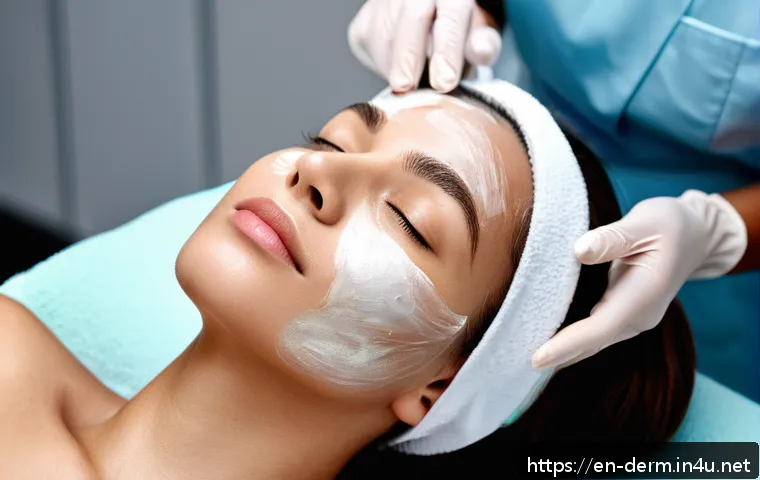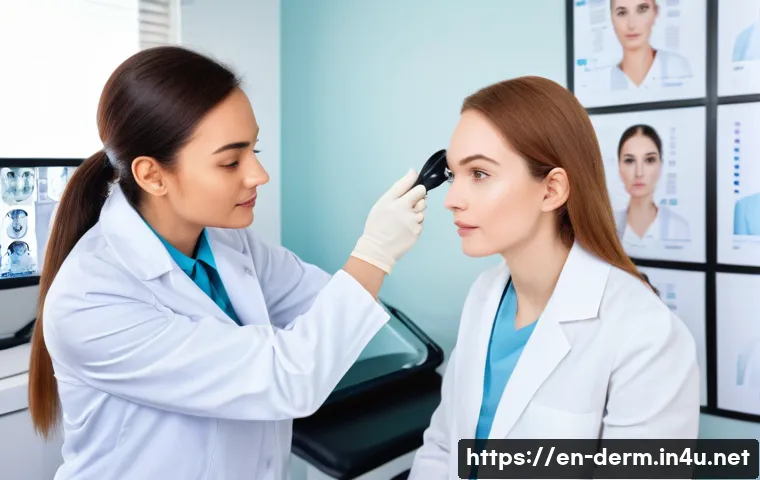
Dealing with persistent acne can be incredibly frustrating, especially when over-the-counter products just don’t cut it. Finding a dermatologist who truly understands your skin and offers personalized treatment can make all the difference.

Whether you’re battling stubborn breakouts or scarring, expert care is key to restoring confidence and clear skin. With so many options out there, knowing where to start can feel overwhelming.
Let’s dive into how to choose the right acne specialist who can guide you toward healthier skin. We’ll break it down clearly for you!
Understanding Different Types of Acne Specialists
Dermatologists vs. General Practitioners: Who Should You Trust?
When it comes to persistent acne, many people initially visit their general practitioner (GP). While GPs can offer some advice and basic treatments, they often lack the specialized training to handle severe or stubborn acne cases effectively.
Dermatologists, on the other hand, undergo extensive education focusing on skin conditions, making them the go-to experts for acne treatment. Personally, I found that once I switched from a GP to a dermatologist, the treatment plans became much more tailored and effective.
The dermatologist not only addressed my breakouts but also helped with scarring, something my GP never mentioned. So, if your acne isn’t improving or is severe, it’s definitely worth investing time in finding a qualified dermatologist.
Subspecialties Within Dermatology That Focus on Acne
Not all dermatologists are the same—some specialize further in acne and cosmetic dermatology. These specialists stay up to date on the latest acne treatments, including hormonal therapies, laser treatments, and advanced topical medications.
For example, I once consulted a dermatologist who was also an expert in laser therapy, which significantly reduced my acne scars after just a few sessions.
Knowing these nuances helps you choose a dermatologist who truly aligns with your skin needs rather than settling for a general dermatologist.
How to Verify Credentials and Experience
It’s easy to get lost in the sea of online reviews and flashy clinic websites. A practical step I took was checking board certification and years of experience specifically in acne treatment.
Board-certified dermatologists have passed rigorous exams and adhere to high standards. You can also ask if they’ve published research or participated in acne-related clinical trials.
These details might seem minor, but they’re a solid indicator of expertise and commitment. Plus, clinics that invest in continuous education tend to offer the latest and most effective treatments.
What to Expect During Your First Dermatology Appointment
Detailed Skin Analysis and History Taking
One thing that stood out during my first visit was how thorough the dermatologist was in understanding my skin history. Instead of just looking at the visible acne, they asked about my diet, stress levels, skincare routine, and even family history.
This comprehensive approach made me feel heard and assured that my treatment plan wouldn’t be a one-size-fits-all solution. Expect your dermatologist to spend at least 30 to 45 minutes during the initial visit to gather this crucial information.
Personalized Treatment Plans Over Quick Fixes
I’ve noticed that the best acne specialists don’t just hand you a generic cream or antibiotic. Instead, they create a multi-step plan tailored to your skin type, acne severity, and lifestyle.
For instance, my plan included a combination of topical retinoids, oral medications, and lifestyle changes like cutting back on dairy and managing stress.
The dermatologist explained the reasoning behind each step, which helped me stay committed even when results weren’t immediate. This personalized care is a game-changer.
Setting Realistic Expectations and Follow-Up
One of the most helpful aspects of my dermatologist’s approach was setting realistic goals. They warned me that acne treatment is often a slow process and that some flare-ups might happen before improvement.
Having this mindset helped me avoid frustration and stick with the regimen. Regular follow-up appointments were scheduled to monitor progress and tweak treatments as needed.
If your dermatologist skips this, it might be a red flag signaling a less thorough approach.
Innovative Acne Treatments Offered by Specialists
Cutting-Edge Laser and Light Therapies
Over the years, I’ve tried traditional acne treatments, but the game changed when I discovered laser and light therapies. These treatments target inflammation, reduce bacteria, and stimulate collagen production to improve scars.
For example, intense pulsed light (IPL) and fractional laser treatments have become popular options. While not a quick fix, they often provide lasting improvements when combined with medical therapy.
Ask your dermatologist if they offer these options and whether you’re a good candidate.
Hormonal Treatments and Beyond
Hormonal imbalances can play a significant role in adult acne, especially for women. Dermatologists often prescribe hormonal therapies like oral contraceptives or anti-androgen medications such as spironolactone.
From my experience, these treatments require patience but can drastically reduce breakouts over time. It’s essential to work with a dermatologist who monitors your response and adjusts dosages accordingly to minimize side effects.
Customized Skincare Products and Compounding Pharmacies
Sometimes, off-the-shelf products just don’t cut it. Acne specialists often prescribe compounded medications tailored to your skin’s unique needs. These custom formulas might combine multiple active ingredients in specific concentrations to maximize effectiveness and reduce irritation.
I tried a compounded topical gel that combined tretinoin and clindamycin, which worked wonders for my sensitive skin. Don’t hesitate to ask your dermatologist about these personalized options—they can be worth the extra effort and cost.
How to Choose a Dermatologist That Fits Your Lifestyle

Location and Accessibility Matter
From my own trial and error, choosing a dermatologist close to your home or workplace is more important than you might think. Acne treatments often require multiple visits, and if the clinic is inconveniently located, you might skip appointments or lose motivation.
Also, check if they offer virtual consultations, which have become a great option for quick follow-ups or discussing treatment progress without the commute.
Communication Style and Rapport
I’ve found that being comfortable with your dermatologist’s communication style makes a huge difference in sticking to treatment. Some doctors are straightforward and clinical, while others take a softer, more conversational approach.
During your first consultation, pay attention to whether they listen attentively and explain things clearly without rushing. Feeling understood and supported can boost your confidence and adherence to the treatment plan.
Insurance and Cost Considerations
Acne treatment can be expensive, especially when including advanced therapies and follow-ups. Before committing, verify if the dermatologist accepts your insurance plan or offers flexible payment options.
Some clinics provide package deals or financing for costly procedures like lasers. In my case, weighing the cost against the potential benefits helped me budget better and avoid surprises.
Transparency about pricing upfront is crucial for a stress-free experience.
Common Pitfalls to Avoid When Seeking Acne Specialists
Beware of Clinics Promising Instant Results
If a clinic guarantees overnight acne cures or pushes expensive “miracle” treatments, it’s a major red flag. From personal experience, acne treatment is a gradual process that requires patience and consistent care.
Unrealistic promises often mean the clinic is more focused on sales than your skin health. Trust professionals who emphasize evidence-based treatments and set reasonable expectations.
Ignoring Patient Reviews and Testimonials
While not the sole deciding factor, patient reviews can provide valuable insight into the dermatologist’s approach and clinic environment. I once avoided a clinic after reading multiple reviews mentioning rushed appointments and poor communication.
Conversely, positive feedback about thoroughness and empathy encouraged me to book a consultation. Look for detailed reviews that mention treatment outcomes and the quality of care.
Skipping the Initial Consultation to Save Time
I get it—sometimes we just want a quick fix. But skipping that first thorough consultation can lead to ineffective treatments or worsening acne. It’s tempting to jump on online prescriptions or over-the-counter recommendations, but without professional assessment, you might be wasting time and money.
Investing time upfront with a specialist ensures the best personalized plan and long-term results.
Comparing Popular Acne Treatments and Their Benefits
| Treatment Type | How It Works | Typical Duration | Pros | Cons |
|---|---|---|---|---|
| Topical Retinoids | Promotes cell turnover and unclogs pores | Several weeks to months | Effective for mild to moderate acne; improves texture | Can cause irritation and dryness initially |
| Oral Antibiotics | Reduces acne-causing bacteria and inflammation | Several months | Good for moderate to severe acne; relatively fast action | Potential antibiotic resistance; not suitable long-term |
| Hormonal Therapy | Regulates hormones that trigger acne | Several months | Excellent for hormonal acne; long-lasting results | Possible side effects; requires monitoring |
| Laser and Light Therapy | Targets bacteria and stimulates skin healing | Multiple sessions over weeks | Improves inflammation and scars; non-invasive | Costly; results vary; some discomfort |
| Compounded Medications | Custom blends tailored to your skin | Depends on formula and regimen | Highly personalized; reduces irritation | May be more expensive; less widely available |
Conclusion
Choosing the right acne specialist can make a significant difference in your skincare journey. From personalized treatment plans to innovative therapies, expert guidance ensures effective and lasting results. Remember, patience and consistency are key when managing acne, so trust the process and your dermatologist’s expertise. Your skin deserves the best care tailored specifically to you.
Useful Tips to Keep in Mind
1. Always verify a dermatologist’s credentials and experience before starting treatment to ensure you receive expert care.
2. Consider the location and accessibility of the clinic to maintain consistent follow-up visits without hassle.
3. Don’t hesitate to ask questions during your consultation—understanding your treatment plan boosts commitment and success.
4. Be cautious of clinics promising instant results; effective acne treatment is a gradual process that requires patience.
5. Explore personalized medication options, like compounded prescriptions, if standard products don’t meet your skin’s needs.
Key Takeaways
Finding a dermatologist who specializes in acne and aligns with your lifestyle is essential for successful treatment. Comprehensive skin assessments and personalized plans outperform quick fixes, emphasizing realistic expectations and ongoing follow-ups. Advanced treatments such as laser therapy and hormonal management can offer significant improvements but require professional supervision. Lastly, transparency about costs and communication style helps build trust and ensures a smoother treatment experience. Prioritize expertise, patience, and tailored care for the best outcomes in your acne journey.
Frequently Asked Questions (FAQ) 📖
Q: How do I know if I need to see a dermatologist for my acne instead of using over-the-counter products?
A: If you’ve tried various over-the-counter treatments for several weeks or months without seeing meaningful improvement, it’s a good sign you should consult a dermatologist.
Persistent acne that causes pain, scarring, or emotional distress often requires professional evaluation. A dermatologist can assess your skin type, acne severity, and underlying causes to recommend tailored treatments that over-the-counter options simply can’t provide.
Q: What should I look for when choosing an acne specialist?
A: Start by checking the dermatologist’s credentials and experience specifically with acne treatment. Look for someone who listens carefully and offers personalized care rather than a one-size-fits-all approach.
Reviews and word-of-mouth recommendations can be helpful, but the best specialist is one who makes you feel comfortable, explains treatment options clearly, and adjusts your plan based on your progress.
Accessibility and office location also matter since consistent follow-up is key to success.
Q: How long does it usually take to see results after starting treatment with a dermatologist?
A: Results can vary widely depending on the type and severity of your acne, but most people start noticing improvements within 4 to 8 weeks of beginning treatment.
Some treatments, like topical medications, may take longer, while others like certain in-office procedures can speed up progress. Keep in mind that acne treatment is often a gradual process, and sticking with your dermatologist’s recommendations—even if results aren’t immediate—is essential for long-term success.